Fr. Tadros Y. Malaty Legacy Editions
Preserving the Light • Continuing the Vision • Living the Apostolic Faith
“And the things that you have heard from me among many witnesses, commit these to faithful men who will be able to teach others also.”
The Legacy Editions are a living treasury of the writings and commentaries of Fr. Tadros Yacoub Malaty, preserved and presented by Mind of Christ Light in the same spirit of faith and simplicity he embodied.
Each book is a bridge between the early Church and today’s believer — where theology becomes life, and Scripture speaks in the warmth of the Father’s love.
Bible
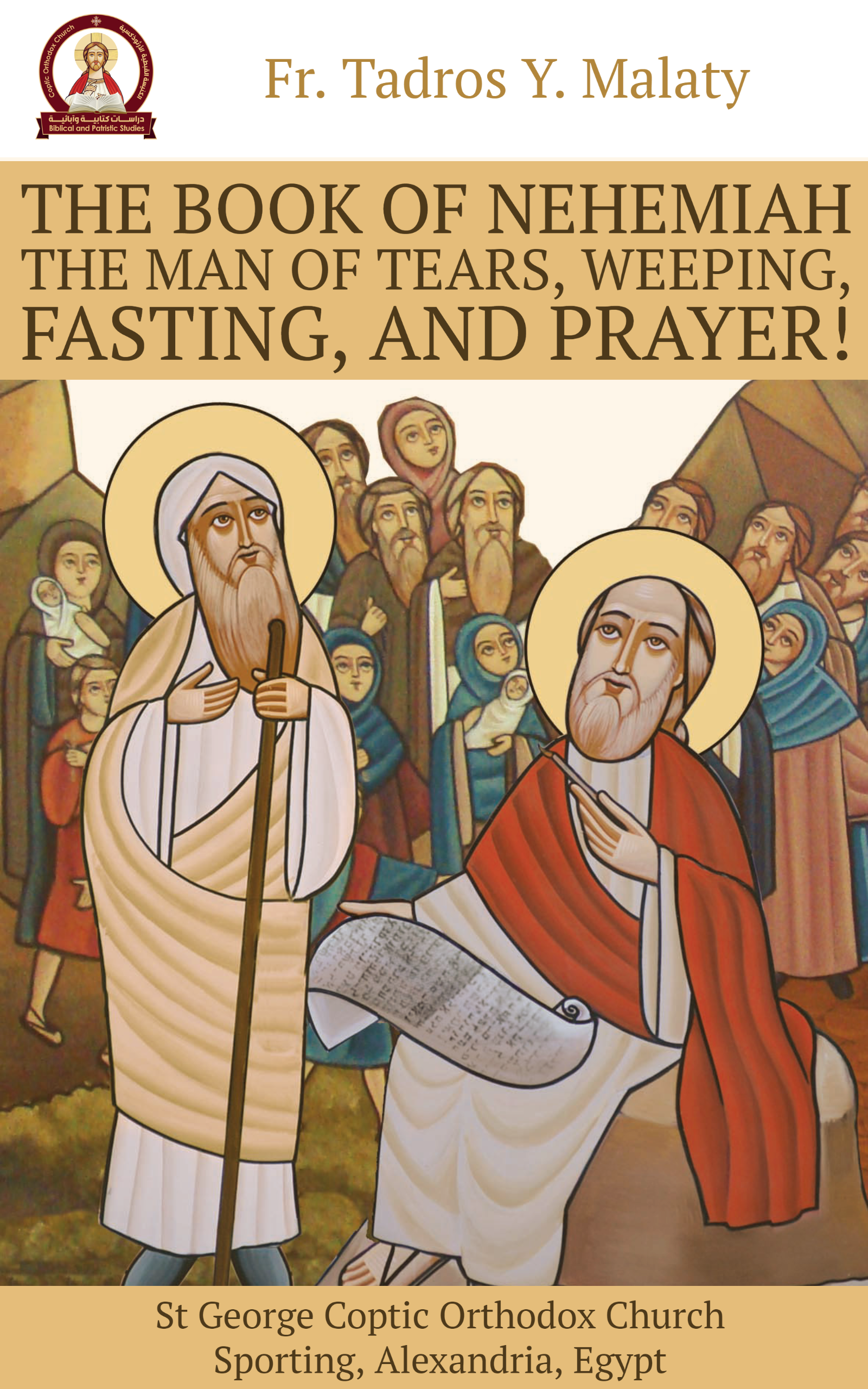
A long time ago, Nebuchadnezzar had destroyed the temple of the Lord in Jerusalem and had destroyed the city and its walls. The Samaritans and the opposing gentiles found destroying the walls an opportunity to enter without resistance from its inhabitants. God has allowed that to chastise His people for a time.
Also, God ordered Cyrus, the king of Persia, to return the Jews from captivity and build the temple. So He sent Zerubbabel and all the Jews who wanted to return, and they started putting the foundation of the temple; however, the enemies opposed them, but finally, it was built.
After that, King Artaxerxes, the king of Persia, allowed Ezra, the priest and the scribe, to lead the second group, teach the Law to the people in Jerusalem, and start a spiritual reform for them.
After approximately thirteen years, the same king allowed Nehemiah to lead the third group from the returning Jews to build the walls of Jerusalem.
In His great love, God permits that His people go through tribulations, but then He grants them success when they repent and return to Him. Didn’t you hear about Nehemiah how he cared to build the walls of Jerusalem, the city of God? My heart does not stop to cry to the Lord, saying: “The walls! The walls! Who can build it and sanctify it except You!”
Tonight, I will tell you a lovely story about Nehemiah.”
To our Beloved sons and daughters
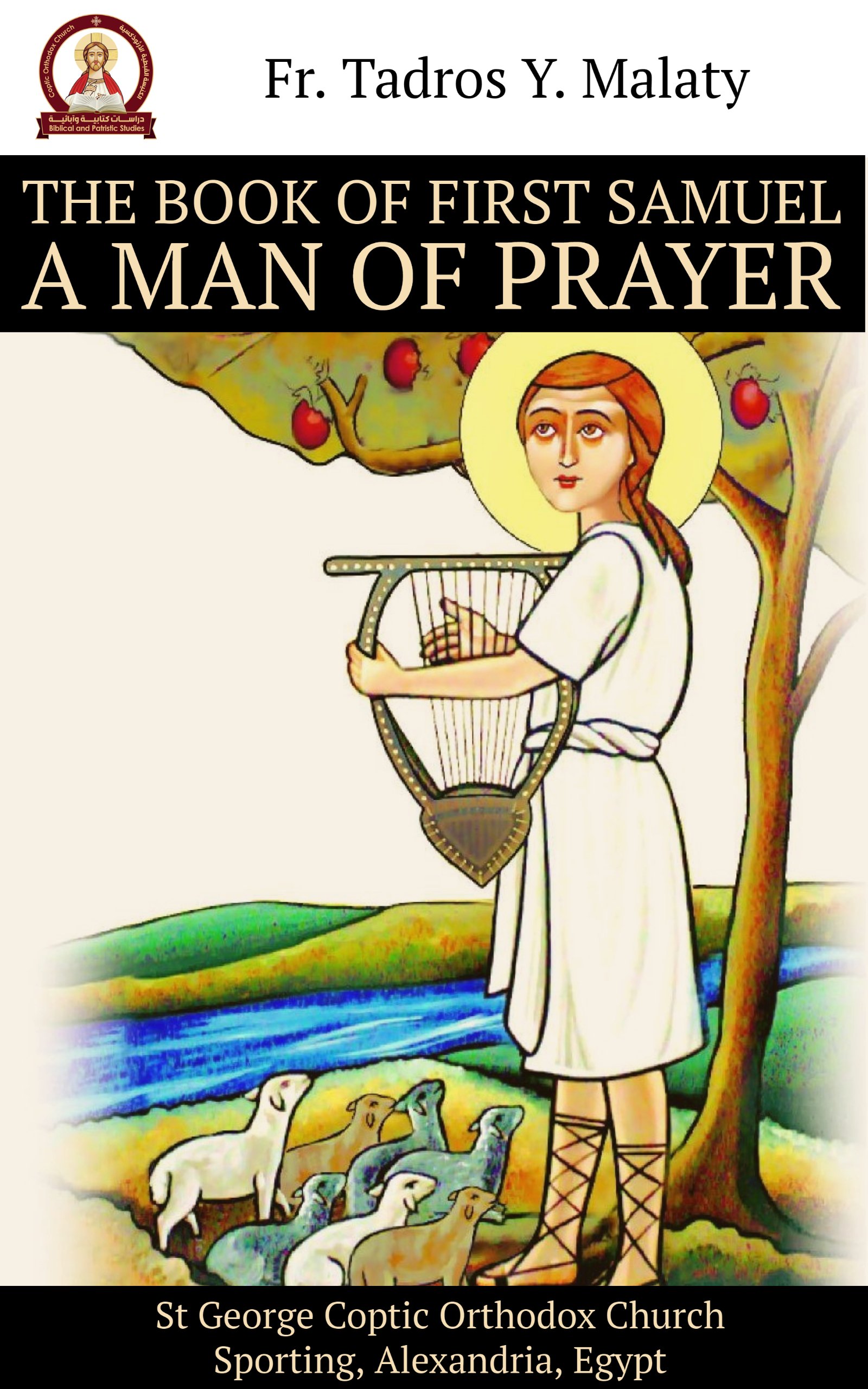
What do you know about the book of First Samuel?
The subject: Appointing a king over Israel. In the beginning, God was the king. God sent them judges when they went astray, but the people asked for a king like the other nations.
The topic of this book: Samuel was the fruit of his mother’s prayers, and Saul was the fruit of the persistence of the people, not the fruit of prayer. King David was the fruit of the prayers of Samuel the prophet.
+ This is considered a topic about the fruit of prayers.
+ The beginning of choosing a king, that is why we find for the first time the expression “The Lord of hosts.” (1:3). After the king was anointed, we hear “the horn of His anointed”. (2:10)
+ Pointed out the work of the Holy Spirit: the giver of the prophecy. (10: 6), and the One who grants a new heart (10: 9), the holy zeal (11: 6), and the keeper of man from evil spirits. (1:14)
The Parts of the book:
Samuel: chapter 1 - 7
Saul: chapter 8 – 15
David: chapter 16 - 31
Fr. Tadros Y. Malaty
To our Beloved Children: What do you know about historical books?
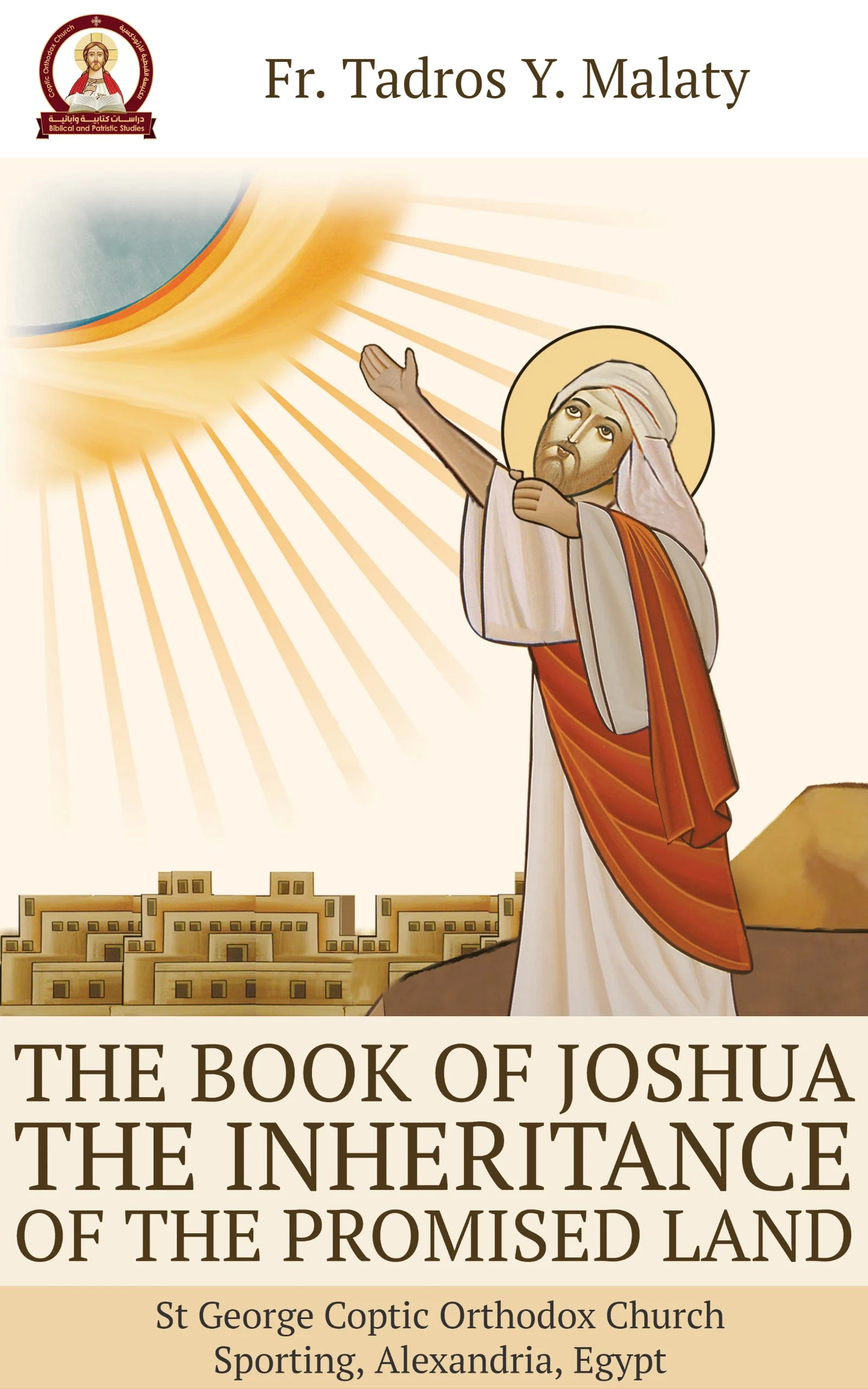
To know the Judges' era in the Old Testament, we have to know the various historical stages from the standpoint of the salvation of mankind.
1. The creation stage
2. The renewal stage
3. The patriarchs' stage
4. In the land of slavery
5. In the promised land
6. There was no king to rule the people in all the previous stages, but God was the One who plans for the righteous people. When Joshua died, the people were exposed to slavery because of their sins. So from time to time, God sent them judges to arrange the matters of some of the tribes or all of them. God remained to be the King, and the leaders were the judges.
7. The people insisted on having a king like the other nations, so they chose Saul, handsome and full of physical strength. However, God chose for them a righteous king, who was David the prophet and the King.
The fruit of keeping God's commandment, with all the heart and soul faithfully and abiding by the divine covenant, is that the believers become a special people and that God elevates His people and sanctifies them: "And that He will set you high above all nations which He has made, in praise, in name, and in honor, and that you may be a holy people to the Lord your God, just as He has spoken." (Deut. 26: 19). God elevates their names, so they are attached to His great name. Heaven and earth are astonished for the honor and the splendor they have in the Lord, and He sanctifies them to become holy as He is holy. It is written, "Righteousness exalts a nation, but sin is a reproach to our people." (Prov. 14: 34).
To our Beloved Children:
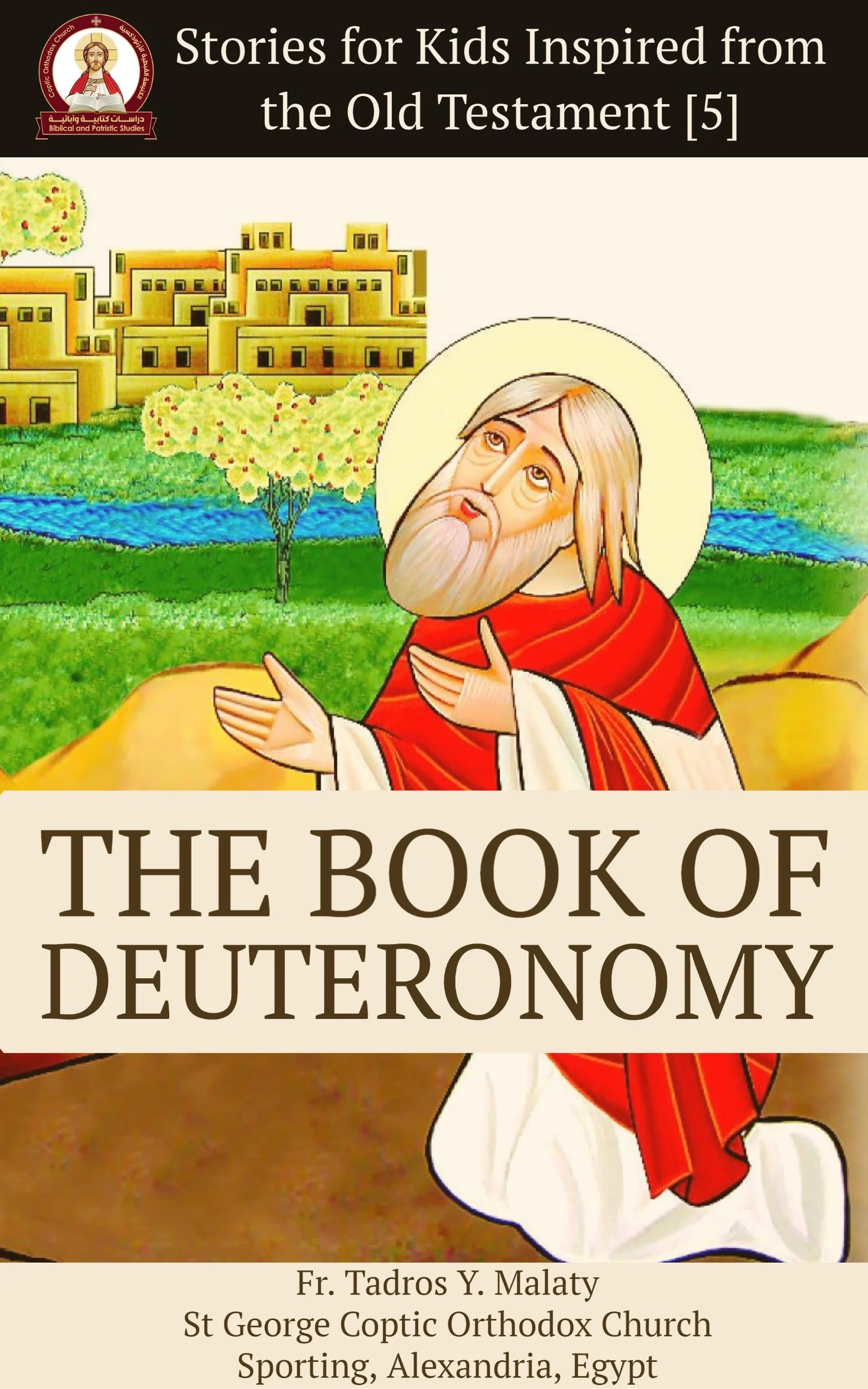
What do you know about the Book of Deuteronomy?
The Purpose of the Book?
The Contents of the Book?
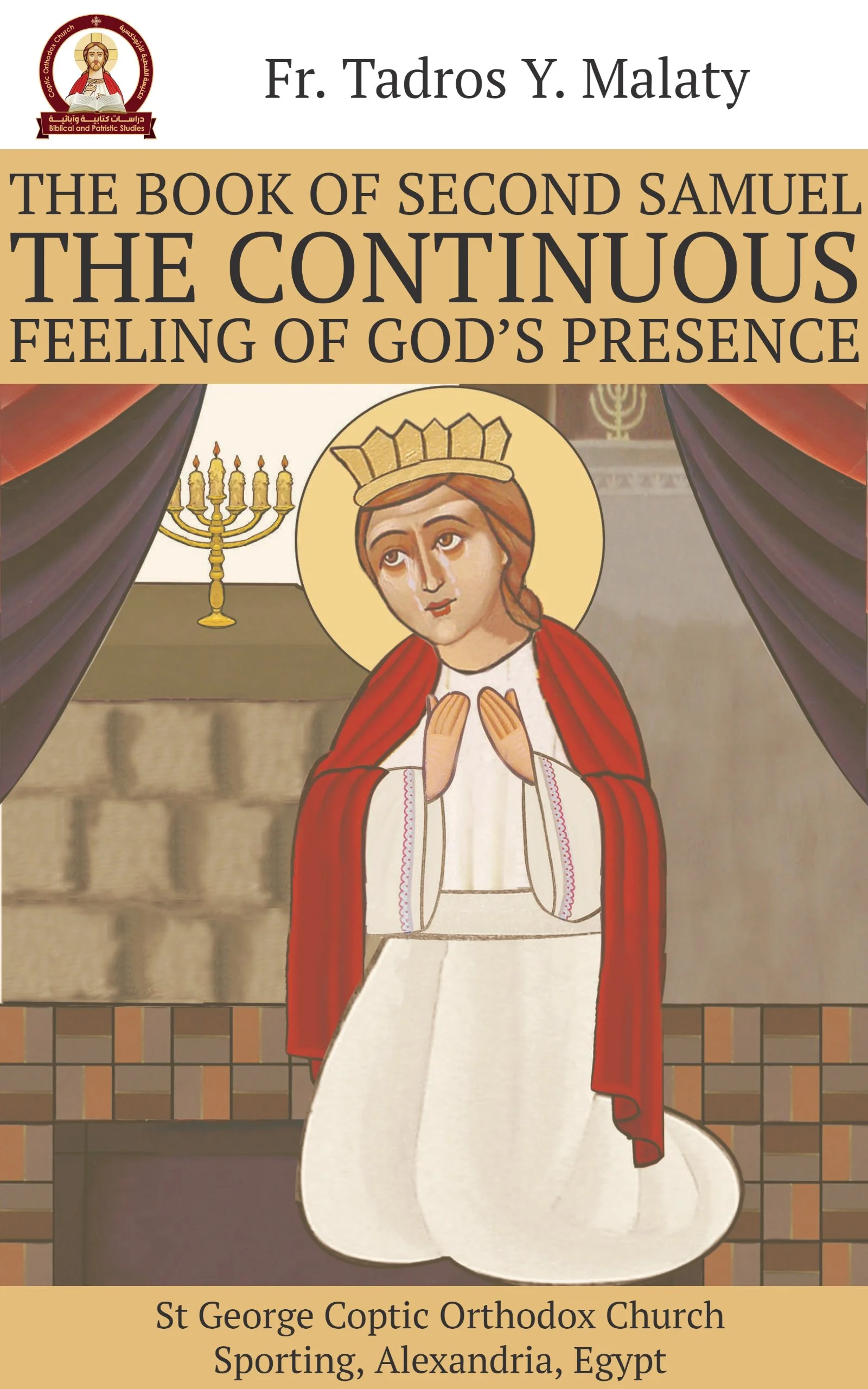
To our Beloved sons and daughters: What do you know about the Book of Second Samuel?
The book of Second Samuel recorded the history of the kingdom of King David since he was enthroned and for the period of 40 years.
This book concentrated on “The presence before the Lord”, so David does not move unless he asks the Lord (2:1 & 5:19, 23 & 21: 1)
He became ruler over Israel “before the Lord” (5:3)
He danced “before the Lord” with all his might. (6:14)
When Michal rebuked him, he did not retreat but ascertained to her that he is so small in his eyes “before the Lord” who appointed him to be king over His people.
When David sinned, he said “I have sinned against the Lord.” (12: 13)
In every victory, he sang to the Lord being his rock, fortress, and deliverer. (22: 2).
The Book is illustrated with Coptic Icons
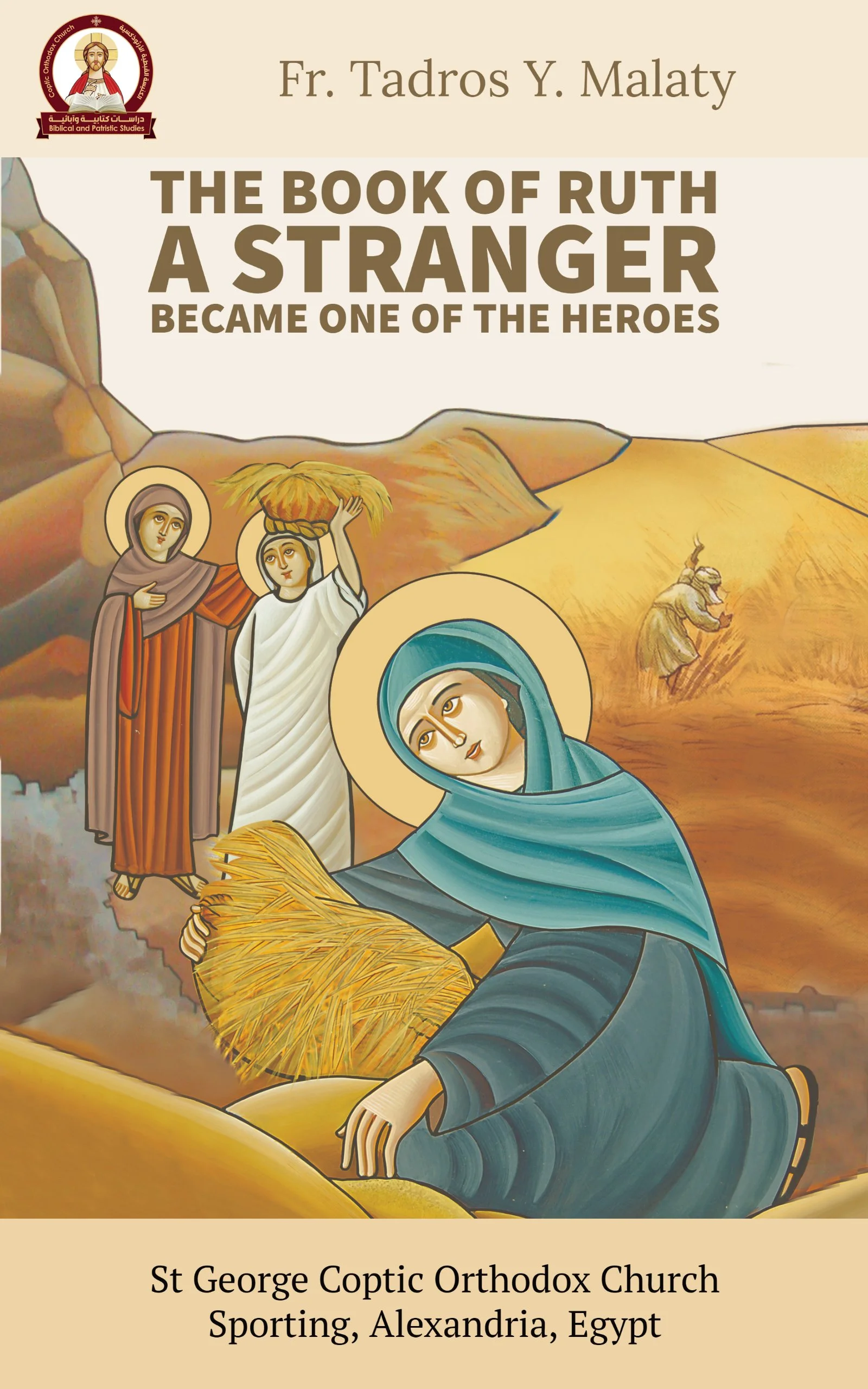
The strory of Ruth for kids with Coptic Icons illustrations.
The book of Ruth:
1. The book was related to the Feast of Harvest (Feast of Pentecost) which was read on that feast. Probably because Ruth appeared to glean the sheaves after the reapers so she can eat and give her mother-in-law. It is the book of harvest: that is the entry of the gentiles to the faith in the person of Ruth, as a new harvest offering the grain of the true life and satisfaction to her mother-in-law.
2. It is the only book after the name of a gentile woman in the whole Bible. Ruth has superseded many women. The genealogy of Christ mentioned her name in Matthew 1: 5 and revealed that her blood, as a gentile, ran in the veins of the Savior of the world.
3. In the era of the Judges, the Jews deviated exceedingly toward the pagan worship, however, this book declared that there was a minority even among the gentiles who held the faith in Him without any earthly greediness or lustful desire.
4. This book offers “The secret of the true satisfaction” for the human soul by uniting her with the bridegroom, the true Boaz. The words “relative, close relative”, were repeated several times, for this book is the book of the genealogy of the Lord Christ to all humanity, whether Jews or gentiles.
5. It correlates between the life of faith and the behavior, for it records the etiquette of conversation as it was between Naomi and Ruth, between Ruth and Boaz, and between Boaz and the reapers.
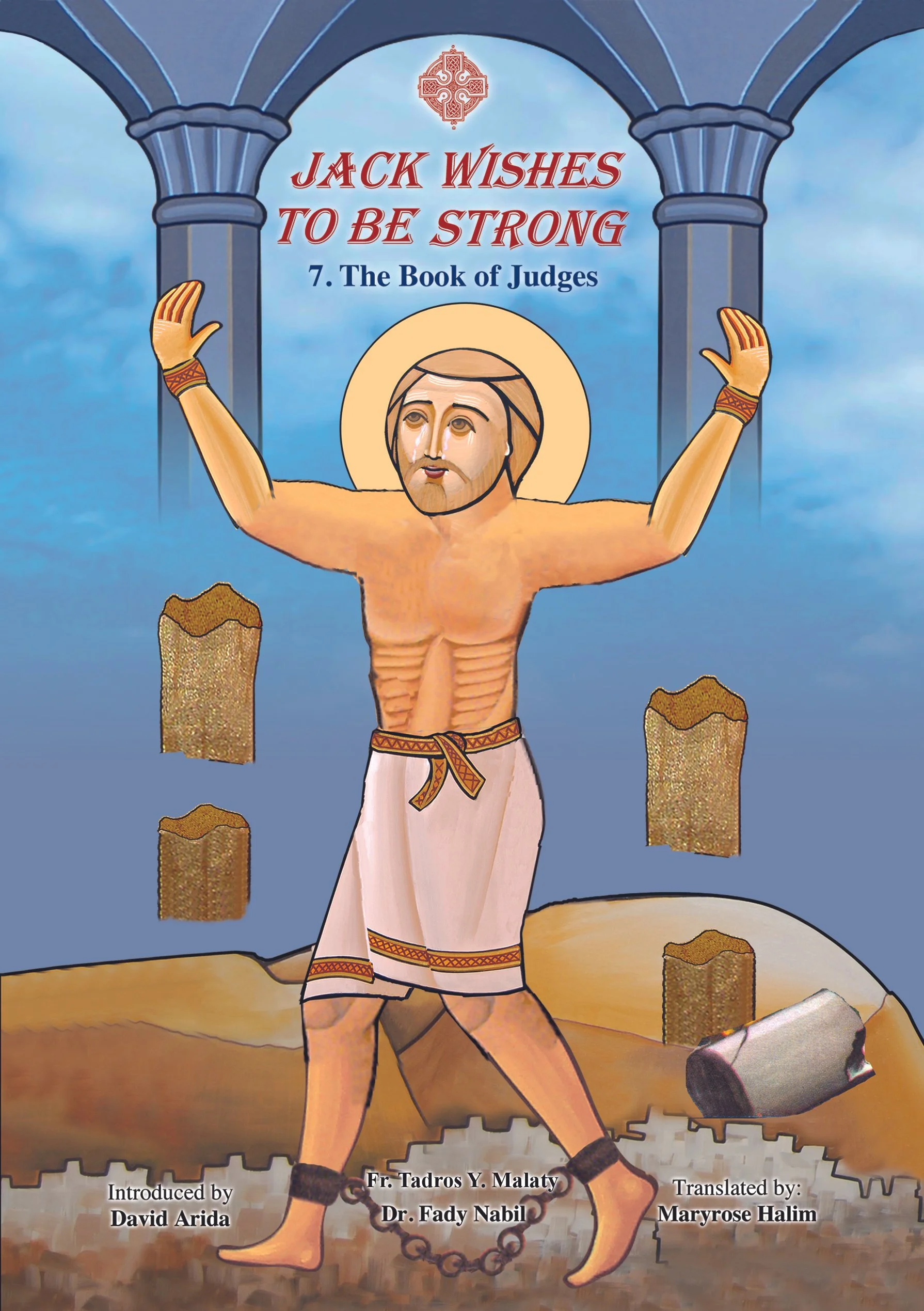
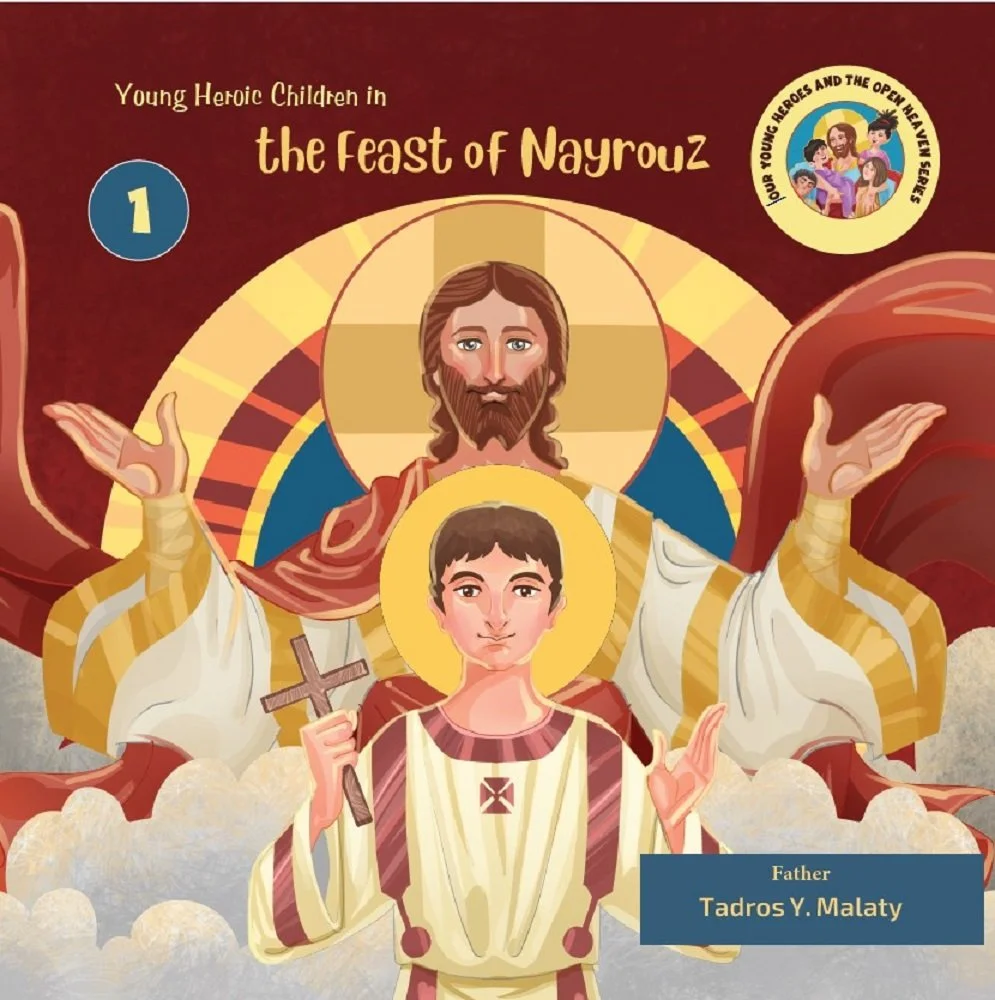
This book is Illustrative stories with Coptic icons for the children on the Book of Judges. The interaction between two young children not only effectively teaches the story of all of the judges, but allows to imagine themselves in the shoes of Sarah and Jack, and want to talk about the saints with their friends.
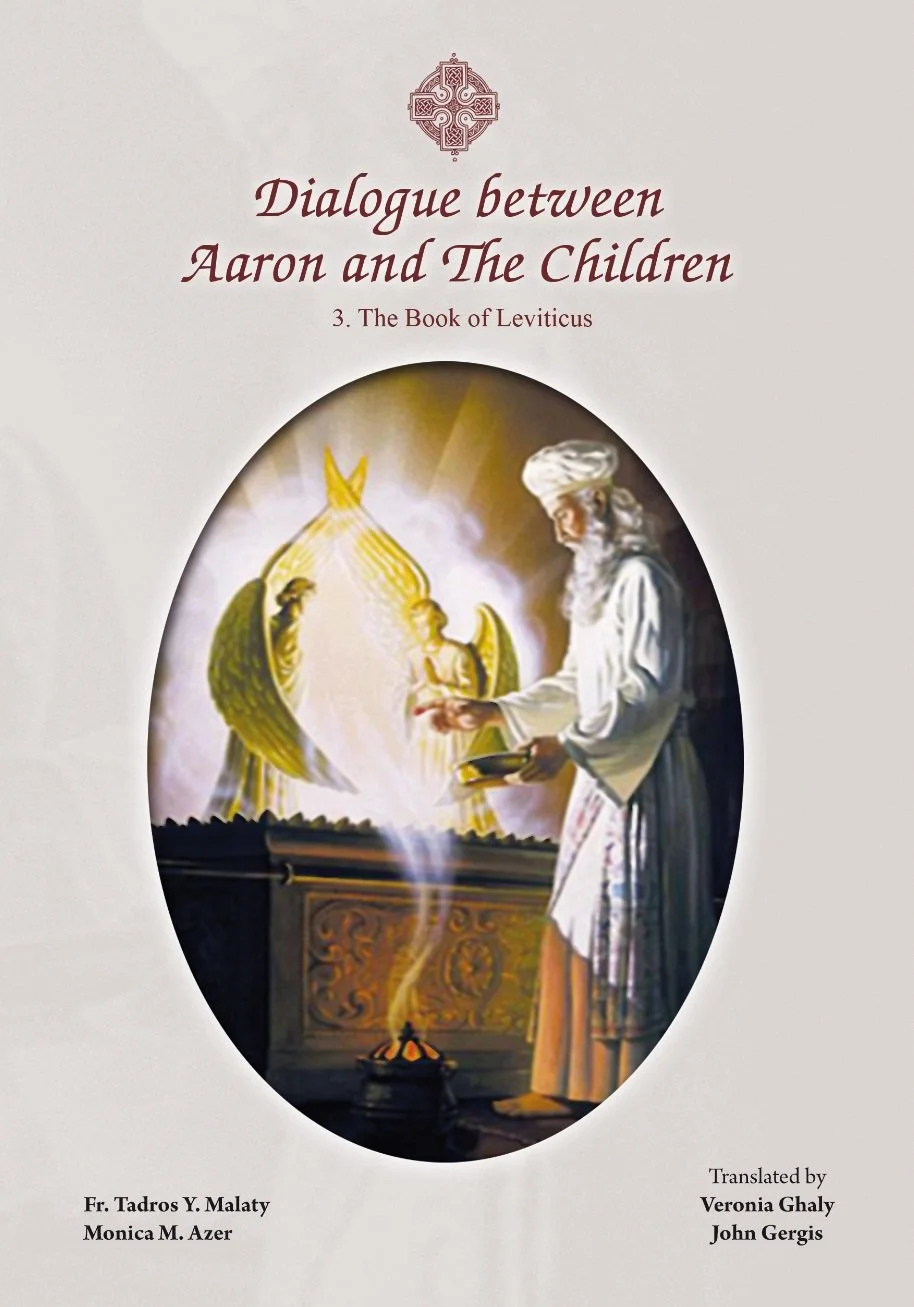
On one of the Jewish Feasts, Aaron, the first high priest of the Jews, noticed that many of the Jewish children gathered together were wearing beautiful and elaborate clothes specifically for the holiday. These children met in a large tent very close to the Tabernacle of meeting and got to know each other. They came from Egypt, Greece, Italy, Syria, and so on. They were all foreigners born of Jewish families and they were very proud to title themselves as children of God.
Aaron decided attending one of these meetings would be a great opportunity for him to meet and talk with the children to try and establish a good relationship with them. As Aaron walked in to meet with the children, all those who were playing turned around to notice the high priest and smiled with a look of confusion on their faces. They were thinking, “Why the first high priest is walking towards us, and what does he want from us?”
Most of them felt a sense of respect and admiration towards Aaron. To Aaron’s surprise, some of the children ran towards him and hugged him tight. He embraced them one by one and kissed them. They probably met with him before, and felt his caring paternity, his love, his simplicity, and yearning towards talking with them for their benefit.
The shy kids did not move towards Aaron, but he encouraged them to talk with him and started asking them their names and told them that he was glad that children from all over the world came to celebrate the yearly Feasts; Passover, Tabernacles, and Pentecost.
After they greeted the high priest, a child asked him: «Father, can I ask you some questions about the Tabernacle of meeting, the sacrifices, priests, Levites, and many of the cleansing rituals, because many of the non-Jewish kids ask me why we cherish the sacrifices, honor the priests and the Levites, and practice the ritual of cleansing to prevent worshiping idols, nor eat meat offered to idols?»
Aaron smiled and told the kids that he would meet with them every day until all of their questions were answered fully.
This illustrated book answers many questions: “Why do we offer so many animal sacrifices like the pagans do?”, “How are sacrifices symbols of the sacrifice of the coming Messiah?”, Why did God assign the tribe of Levites to serve Him?, Why did God choose the Levites to be his servants, if God loves everyone? “Why does God give us so many rules to live by throughout life? Like when a baby is born, or someone dies, or when a believer touches something impure, or when someone catches a disease of leprosy, or when a house gets infected with the disease of leprosy on the walls etc. Are these things specific acts of God?”, “Why did the Lord talk about the Feasts and Holidays at the end of the book instead of in the beginning?”
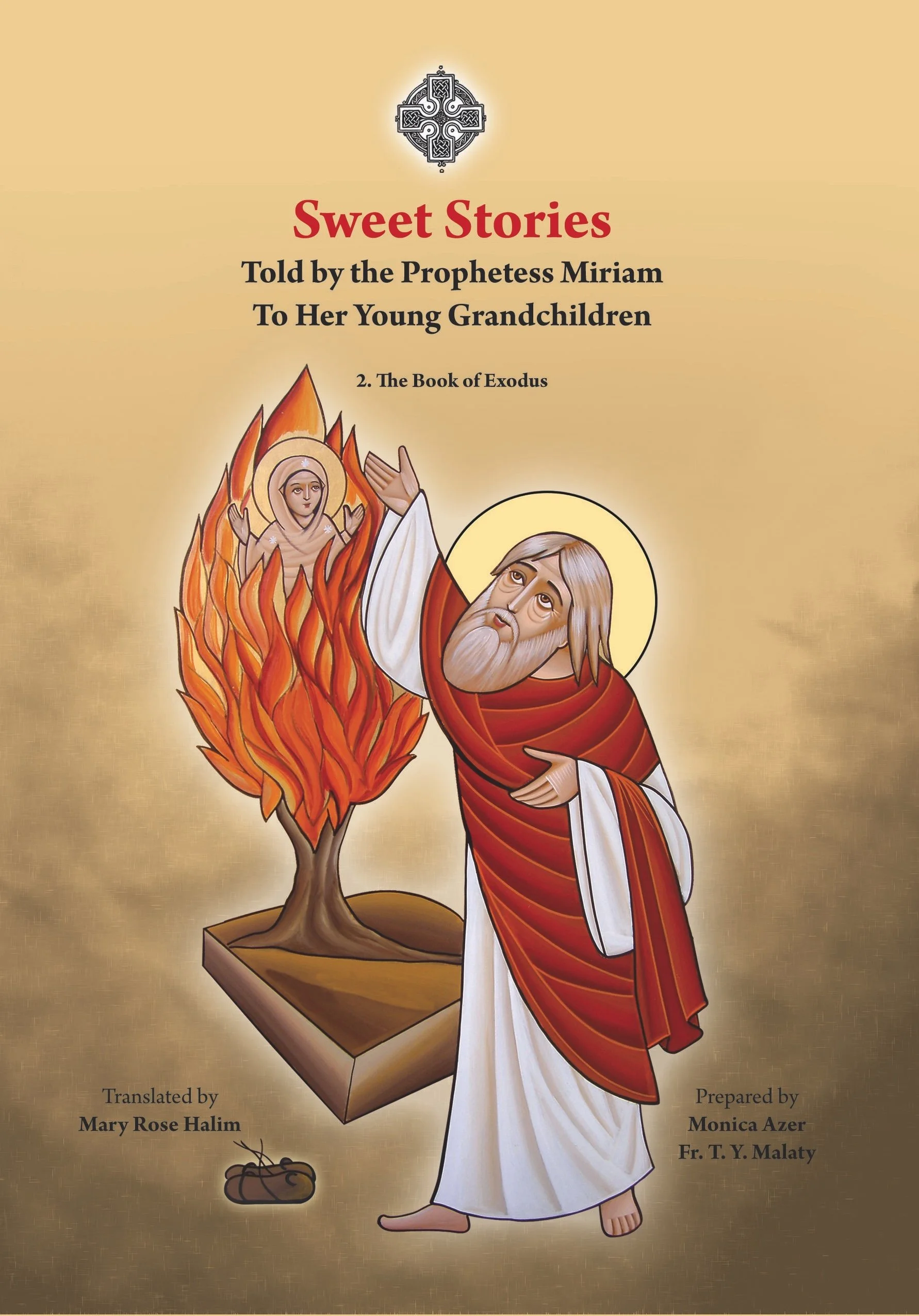
Young children as well as grown ups can gain much happiness from listening to the beautiful stories which are told in the book of Exodus, despite the fact that these stories took place more than thirty centuries ago.
Now I want you to close your eyes and imagine Miriam, the prophetess and sister of Aaron and Moses, imagine that you are sitting by her side along with the other children gathered around. Miriam loved to tell stories, and the children loved to hear them. She would tell them about things she herself had seen and had heard. Miriam kept many of these stories in her heart and mind, but loved to share them with the children.
I bet you are now curious to know what Miriam tells her children, who by the way are really the grandchildren of her grandchildren! Well, if you are curious, just like me, keep on reading!
This is an illustrated book
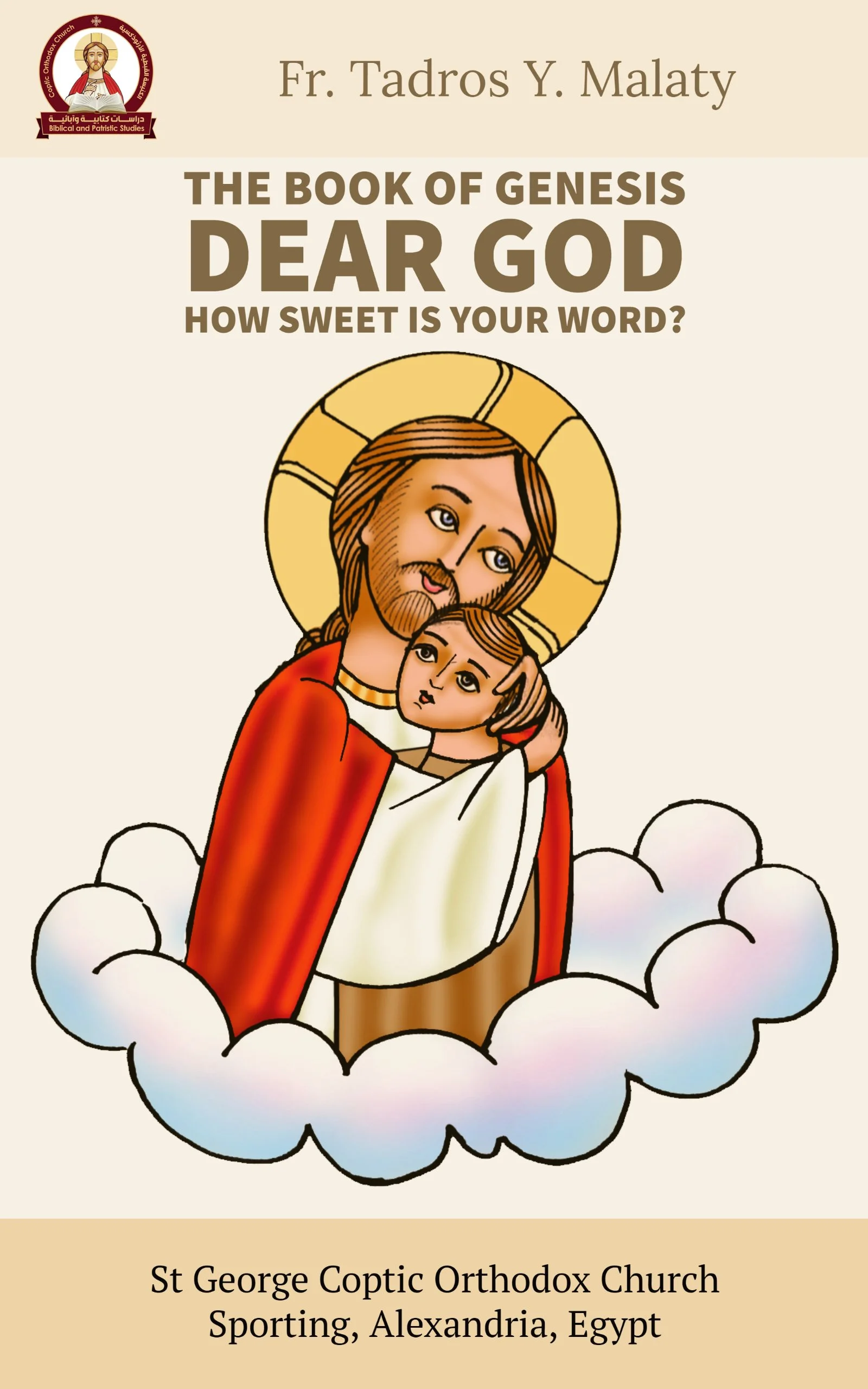
This illustrated book is dialogue between a child and his Lord the heavenly Father about the Book of Genesis:
1. A WONDERFUL WORLD - Genesis 1
2. A KING AND QUEEN IN THE ROYAL PALACE - Genesis 1-2
3. YOUR PROMISES ARE SWEET - Genesis 3
4. LOVE ALL AS YOU LOVE YOURSELF - Genesis 4
5. WHO BUILT THE ARK? - Genesis 6-9
6. MY SON ABRAHAM - Genesis 12-25
7. WHY DID ISAAC ACCEPT TO BE SACRIFICED? - Genesis 22
8. SUPPORT ME AS YOU SUPPORTED JACOB - Genesis 28
9. I WANT TO MEET JOSEPH - Genesis 37-50
Song for Genesis - “Indescribable”
The grandchildren gathered around Grandma Monica on the first day of the family’s summer vacation. Young Mina said: “Grandma, we are so happy that you have decided to spend this vacation with us. We want to hear a bedtime story each evening throughout this week of your vacation!”
Grandma Monica answered: “I would be glad to get together with you each evening and tell you the story of the most splendid journey in ancient history; it happened more than forty centuries ago. Can you guess which story I am talking about?”
John said: “Oh! Oh! I know, you are probably referring to the journey that the children of Israel made from Egypt to the land of Canaan under the leadership of the great prophet Moses.”
Grandma smiled and said: “You are such a bright child John, but the real leader was God, although He was invisible. He is the One who sent Moses the prophet to lead the people from Egypt to mount Moab, and then his disciple took over the leadership.”
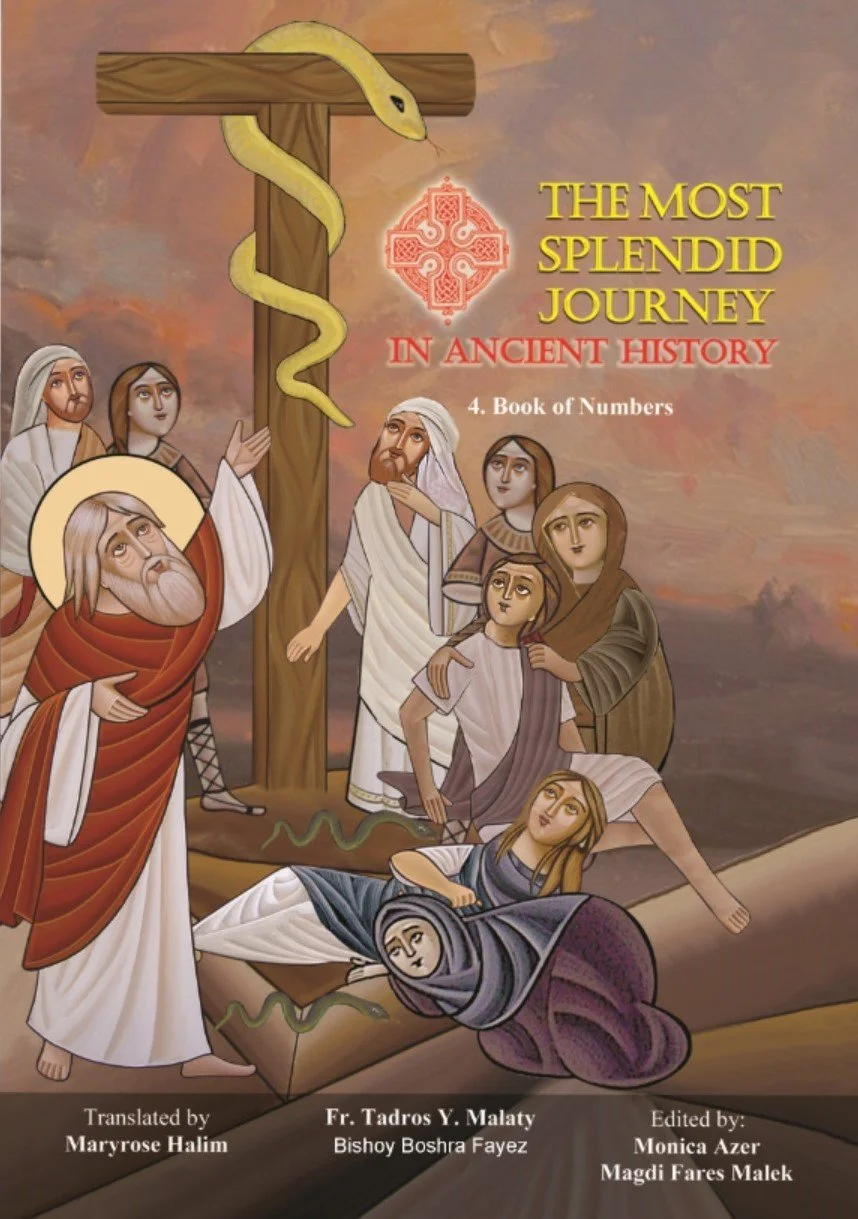
This was a journey that God had planned for them and which He led Himself. It was a symbol of the journey that the Lord Jesus Christ takes us along, as we travel through this world and until we enter into heaven through His Cross. That is what results in our salvation.
In my gathering with you last week, I told you about the story of Miriam the prophetess, the sister of Moses and Aaron. This time, I will be telling you about this extraordinary journey in the wilderness. I will be talking to you about Moses from the time of his birth to the time when he left Egypt with Aaron and all the people of Israel and went into the wilderness.
Orthodoxy
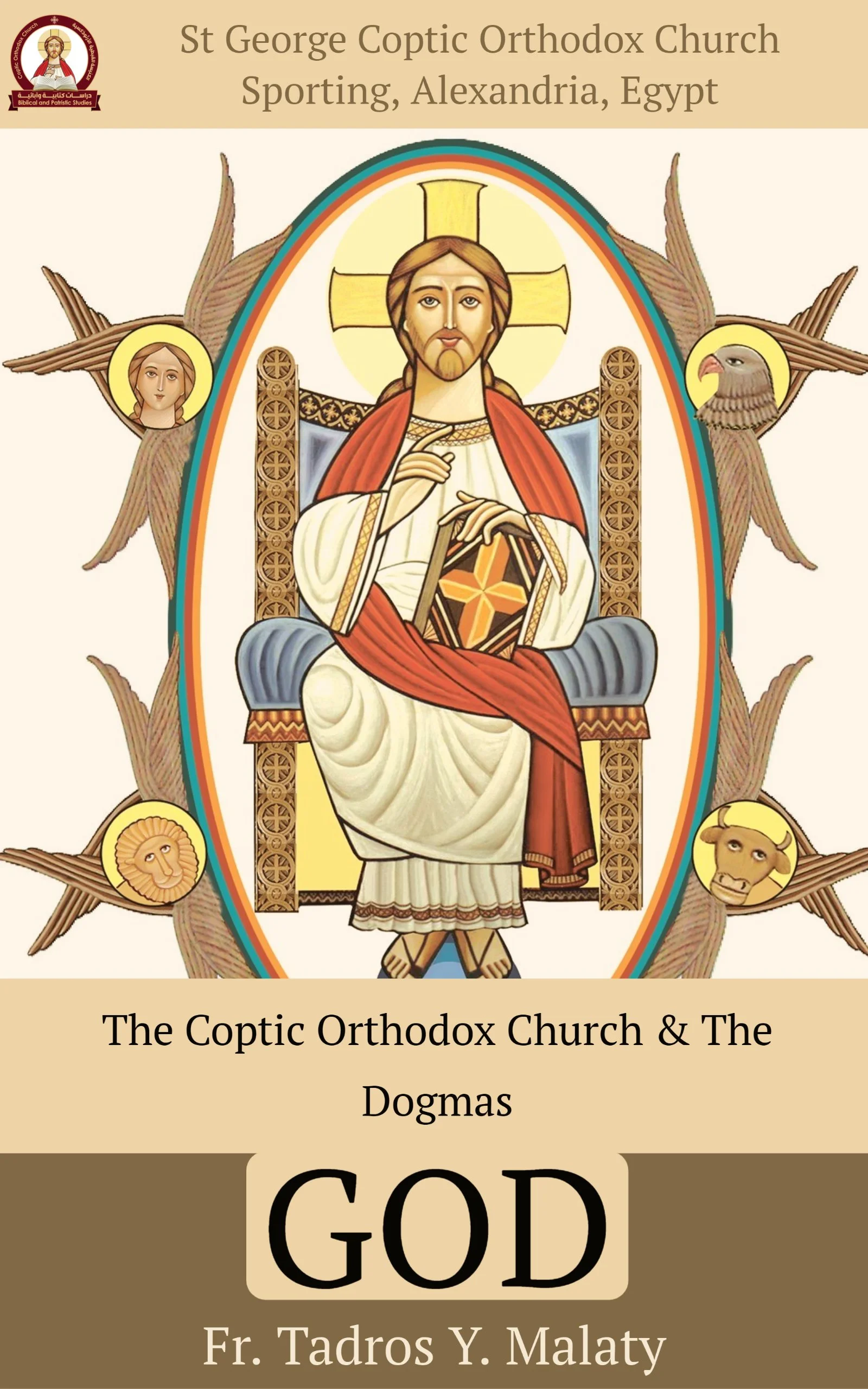
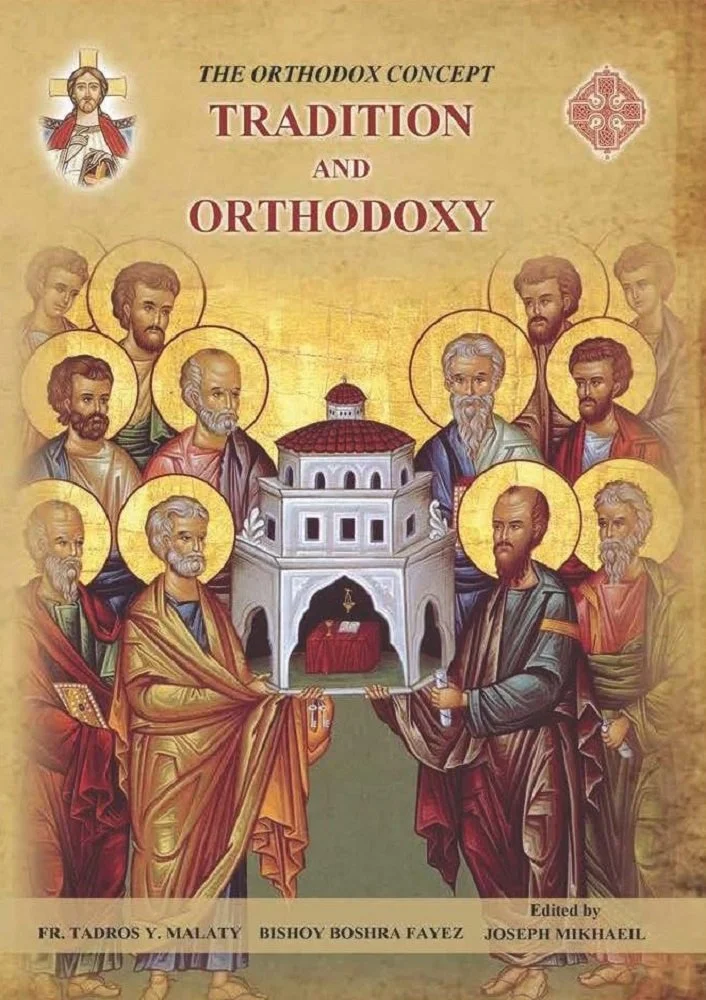
To the Coptic Orthodox Church, Dogmas are not merely theological concepts concerning God, man, Church, eternal life, heavenly creatures, demons, etc., to be discussed among clergymen, scholars, and laymen. But dogmas are, in essence, daily experiences each member of the Church has to live. In other words, dogmas representing our faith in God through various aspects have one message, i.e., our communion with God the Father in Jesus Christ, the incarnate Word of God, by His Holy Spirit. Thus, we conceive of our redemption, our membership in the Church, a deep understanding of the Holy Bible, and acceptance of the Kingdom of God within our souls, communion with the heavenly creatures, and the experience of eternal life. St. John, the Evangelist, and Theologian declared Christ's Godhead so that we "have life in His name" (Jn 20:31).
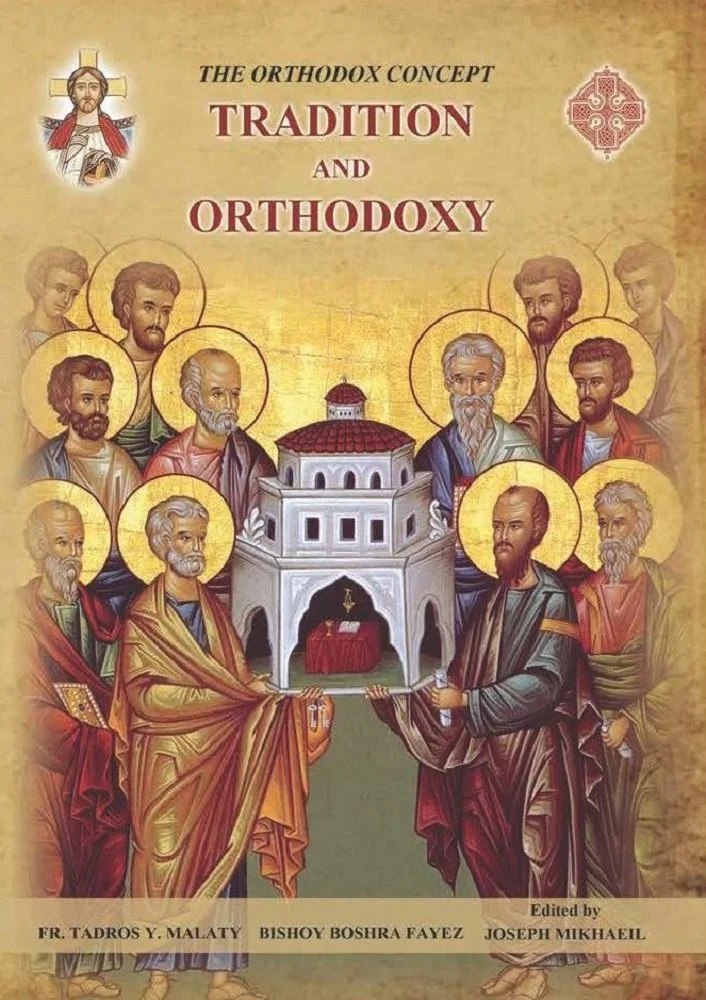
For a long time, some western writers looked to “tradition” as blind obedience to the past, a means of mechanically conveying inert thoughts and ideas. Their point of view holds tradition as a precise catalog of ancient doctrines, canons and rites, or else a museum for antiquity. Therefore, they consider the traditional church obsolete, an obscurant to modern mores, and attached to what is old simply for its antiquity.
In this simple work, I would like to explain our concept to “tradition” through the Holy Bible, patristic thought and our practical church life.
Fr. Tadros Y. Malaty
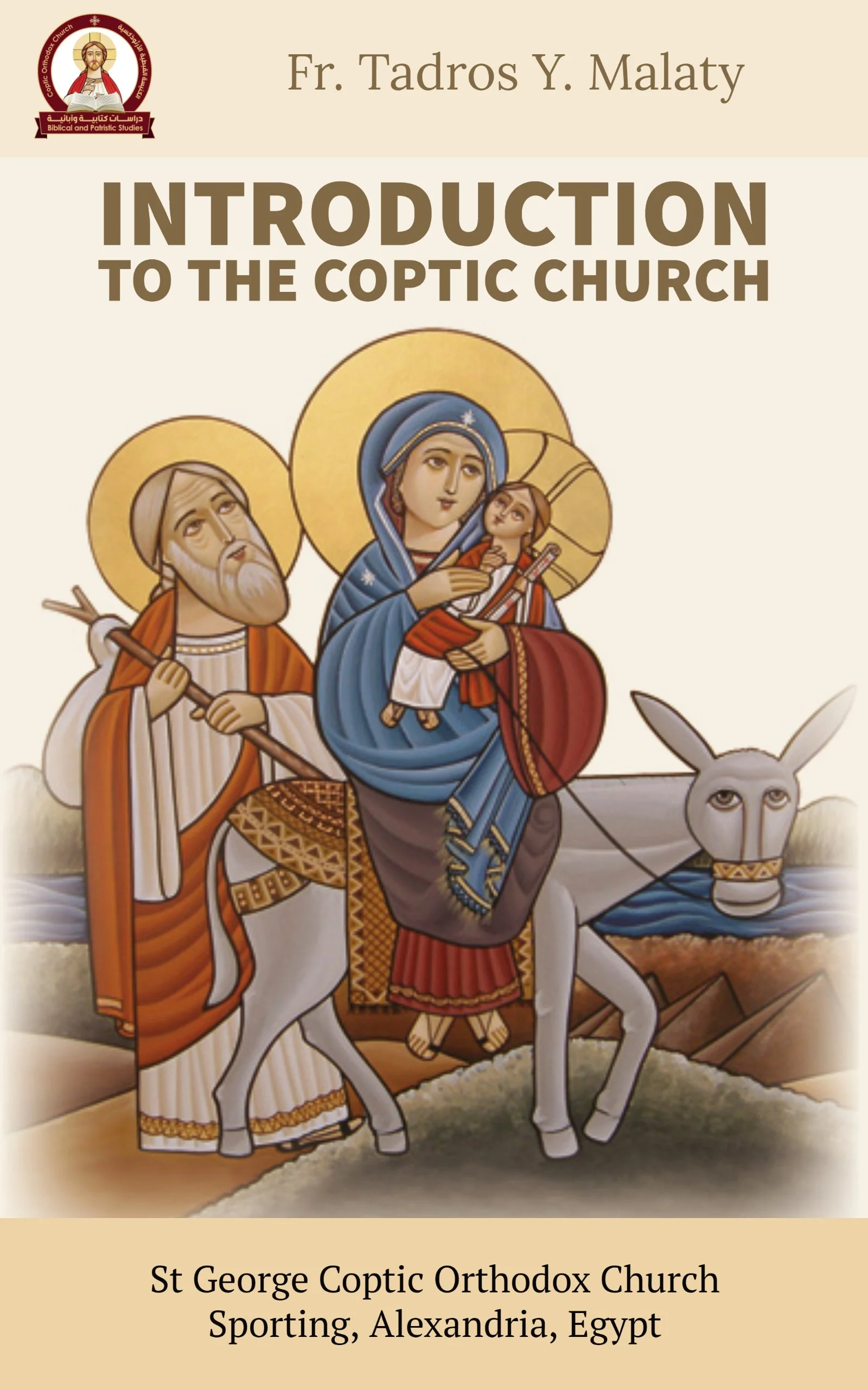
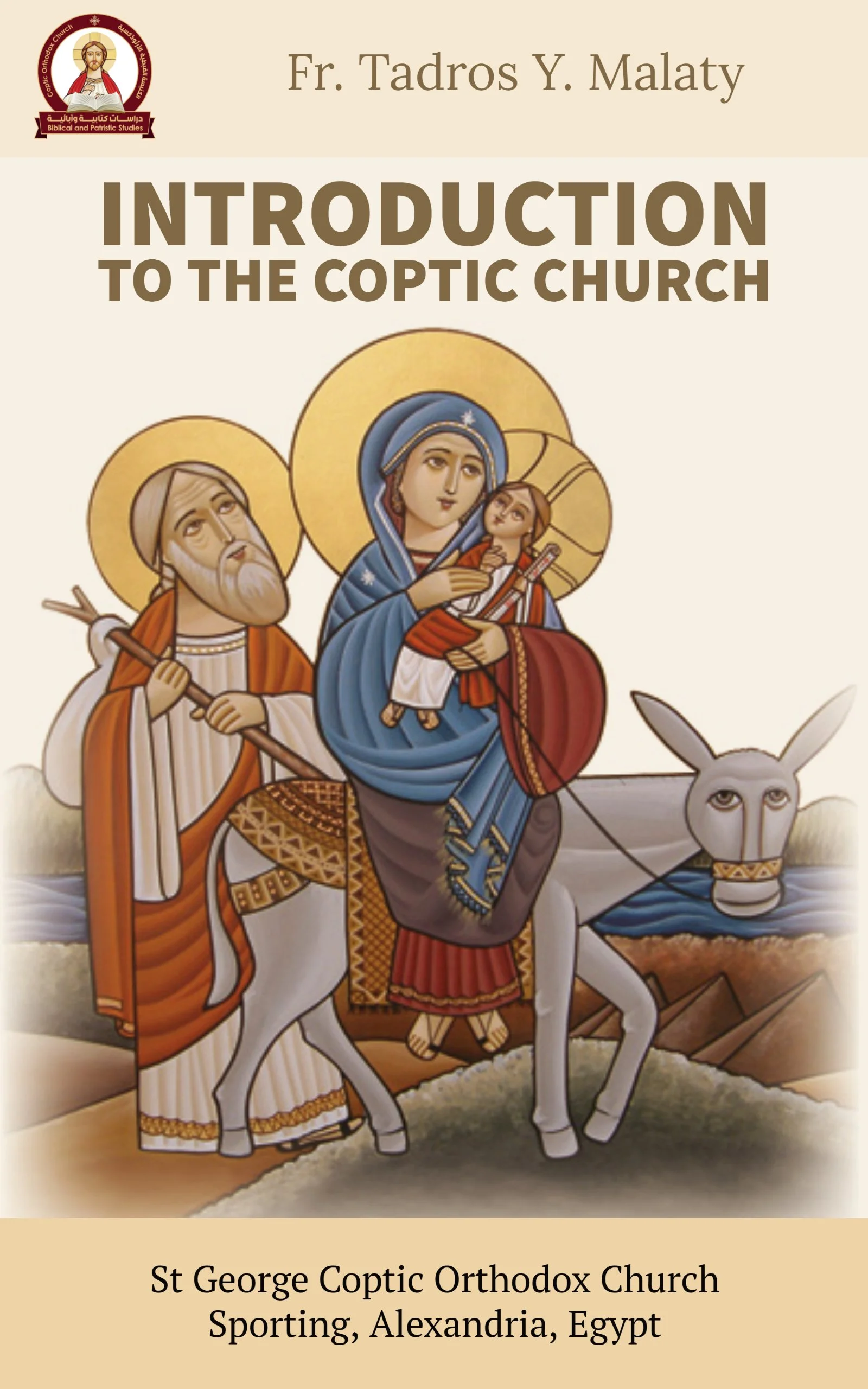
In An Introduction to the Coptic Orthodox Church, Fr. Tadros Y. Malaty presents the faith, life, and spiritual vision of the Coptic Church with pastoral warmth and clarity. Rooted in the apostolic foundation laid by St. Mark the Evangelist, this book reveals a Church that is ancient in her faith yet ever renewed by the living Christ. Moving beyond history alone, the book invites into the heart of Orthodox Christianity: biblical faith, sacramental life, worship, prayer, monastic spirituality, and the sanctification of daily life. With simplicity and depth, Fr. Tadros explains not only what the Church believes, but why she prays as she does and how her traditions form whole, living disciples of Christ. Written for readers of every background, this introduction speaks to: • Christians seeking roots and continuity • Those curious about Orthodox worship and theology • Families, servants, and seekers longing for a faith that is lived, not only studied Throughout these pages, the Coptic Church is revealed as a Church of martyrdom and joy, discipline and love, heaven and earth—a spiritual home that embraces every person and calls each one into communion with God. This book is an invitation to encounter Orthodoxy not as an abstract tradition, but as a living path in Christ.
This booklet is a conversation between Mark and his uncle George about Saint Mark and the school of Alexandria. St. Mark established a Christian school in Alexandria called The Cathecitcal School of Alexandria.
Alexandria was famous for its many schools long before Christianity became established in the city. By far the largest school was the "Museum," founded by Ptolemy and destined to become the most renowned school in the East. Other celebrated institutions were the "Serapeum" and the "Sebastion." Each of these three schools possessed its own enormous library.
St. Jerome records that St. Mark himself founded the Christian School of Alexandria . The Holy Spirit inspired him to establish the school in order to teach Christianity since this was the only way to provide the new religion a solid foundation in the city.
The School eventually became the oldest center for sacred sciences in the history of Christianity.
The Christian School started as a Catechetical School where candidates were admitted to learn the Christian faith and some Biblical studies to qualify for baptism. Admittance was open to all people regardless of culture, age or background.
By the second century, its substantial influence on church life.
THE SCHOOL'S DEANS
A quick glimpse of the names heading the Christian School of Alexandria provides ample evidence of the school's history and its rank among similar institutions. Among these are Athenagoras, Pantaenus, Clement, Origen, Heraclas, Alexander, Dionysius, Theognostes, Peter, Macarius, Didymus the Blind as well as Athanasius the Apostolic, Cyril of Alexandria, Dioscorus, etc.
The Church's primary task is ensuring the practical encounter of humanity with the Holy Trinity. This task aims for the Church to regain God's lost image in her because of sin; this, in turn, enables the Church to live through Him, on earth, and to embark on a pleasurable trip, during which she delights in heaven's deposit, through the work of the divine grace. This is the purpose of the Word's incarnation, His crucifixion, His resurrection, His ascension, and His second coming. He is the unique Divine Tutor - the philanthropic Saviour of humanity.
Let the Lord grant us now the understanding of orthodox thought, and its instructive role in the Church's life during its estrangement to be propelled to eternal glory.
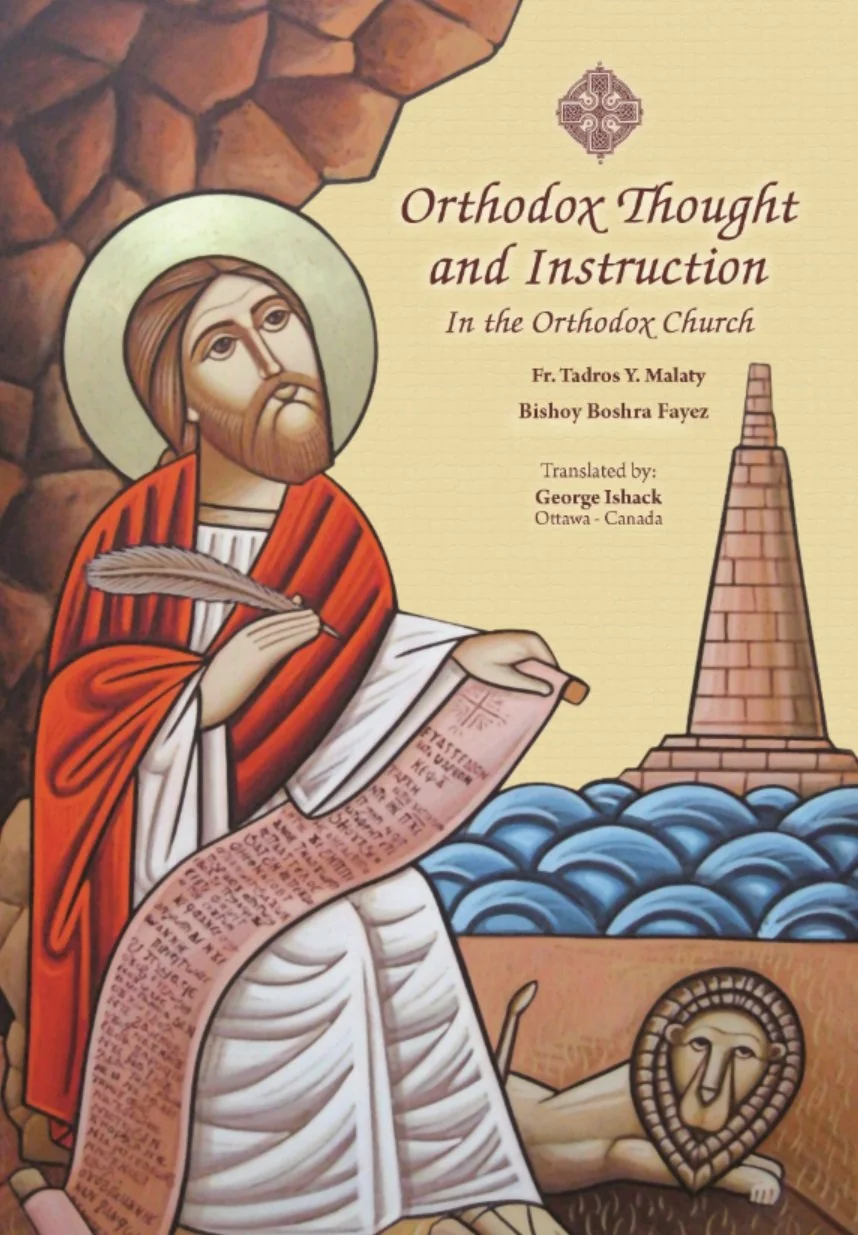
This book discusses the following topics:
1. Our Lord Jesus Christ the unique Teacher.
2. Instruction in the School of Alexandria.
3. The view of St. Basil the Great concerning classical instruction and culture.
4. St. John Chrysostom's program of instruction.
5. Our instructional needs in the current generation.
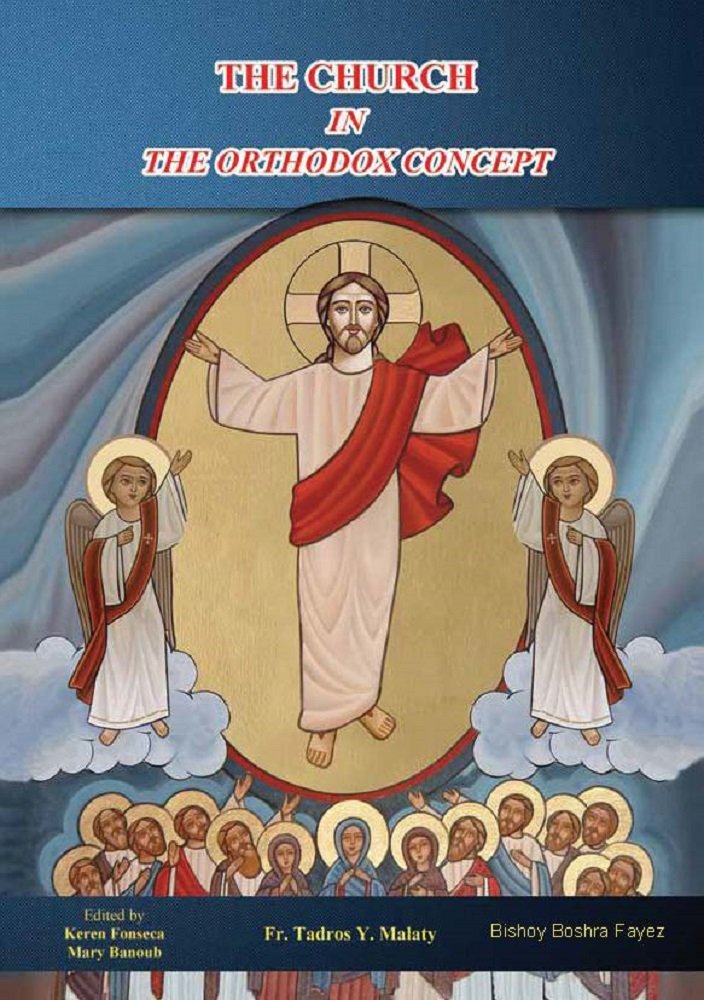
The Church is the new “life in Christ,” or the "communion with the Father in the Son by the Holy Spirit,” or the enjoyment joy or partaking of the grace of God. God purchased her at the cost of Christ's Blood (Acts 20:28). Understanding the Church means perceiving the relationship between God and man, manifested in the divine plan of salvation, God's Fatherhood, the kingdom of Christ, the work of the Holy Spirit, the means of grace, the lessons from the history of mankind, the destiny of men etc. It is through the Church that God makes known His redeeming wisdom even to the heavenly hosts (Eph. 3:10).
This book discusses the following points:
• The Nature of the Church.
• The Church Democracy
• The Church Unity.
• Church, Bible and Tradition.
• Church, Tradition and the present life.
• Church and the Apostolic Succession.
• Church councils and conciliarity.
• Church Renewal as a constant movement.
• Renewal and the concept of Ecumenism.
Sacraments
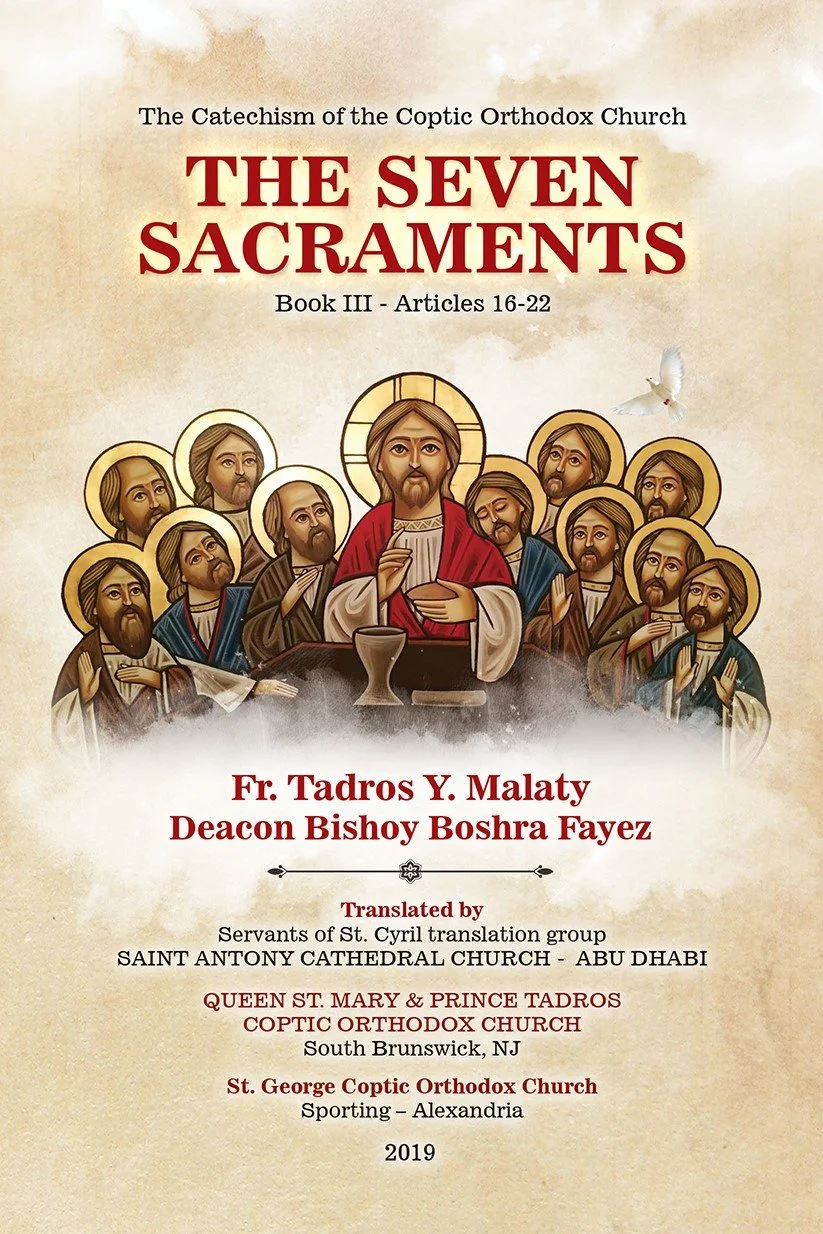
Every believer can relate to this Catechism series, regardless of his nationality. He is about becoming a man of God and His beloved Son, so that his heart may be filled with love for all humankind, praying for everyone, even to those who persecute the Church. It invites us to enjoy the heavenly experience, righteousness in faith and growth in the knowledge of our Lord Jesus Christ.
Fr. Tadros Y. Malaty
Patrology
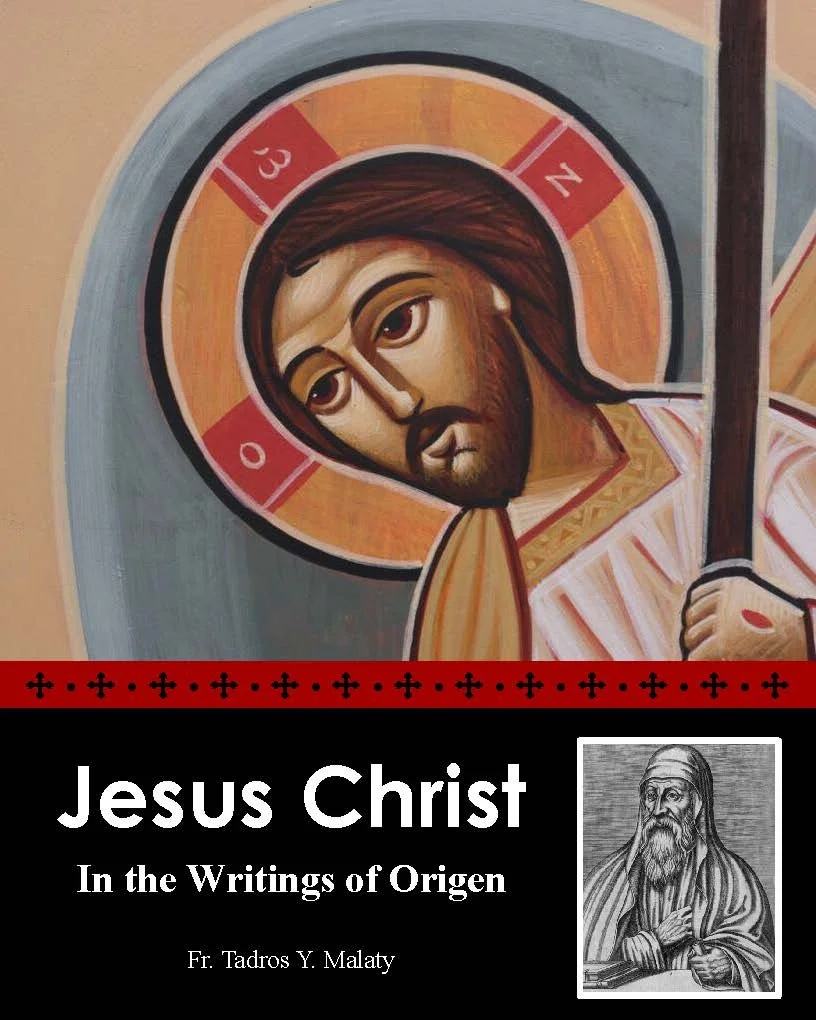
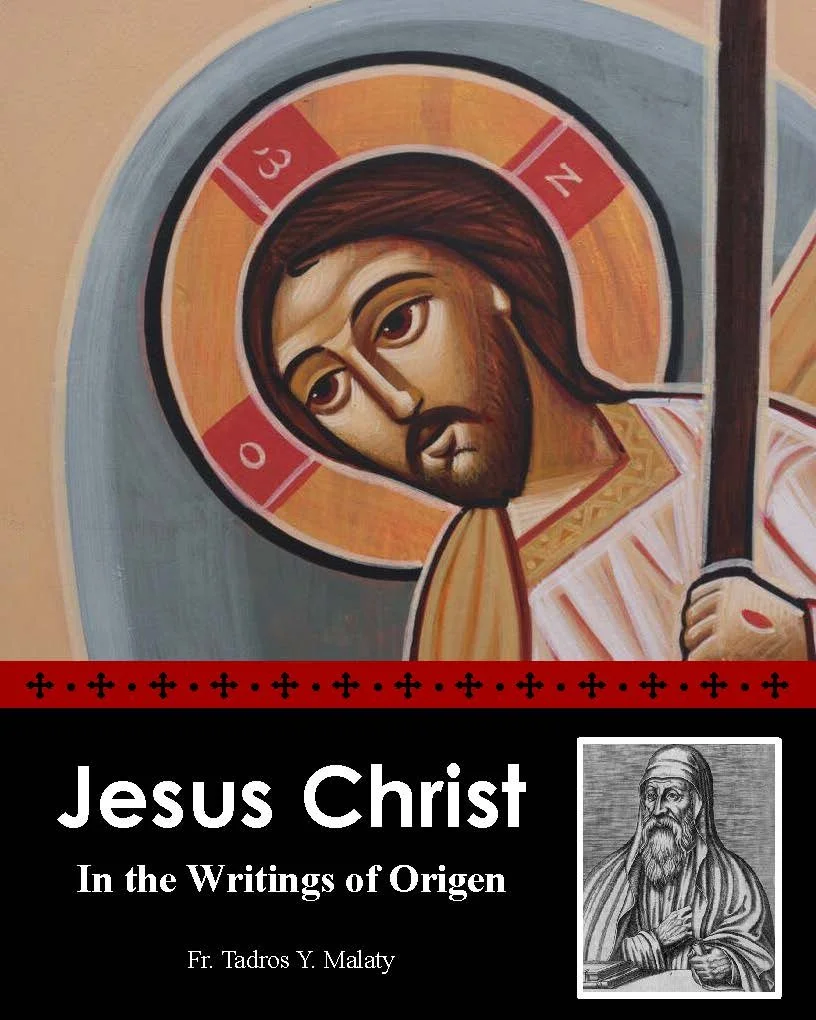
Origen believes that our Lord Jesus Christ is the Savior of mankind.
Christ who loved humanity, even when they were sinners and enemies, and sacrificed Himself on their behalf, is asking to have a personal relationship with every soul. Therefore, Origen attributes Christ to himself as his own, savior calling Him “my Christ.”
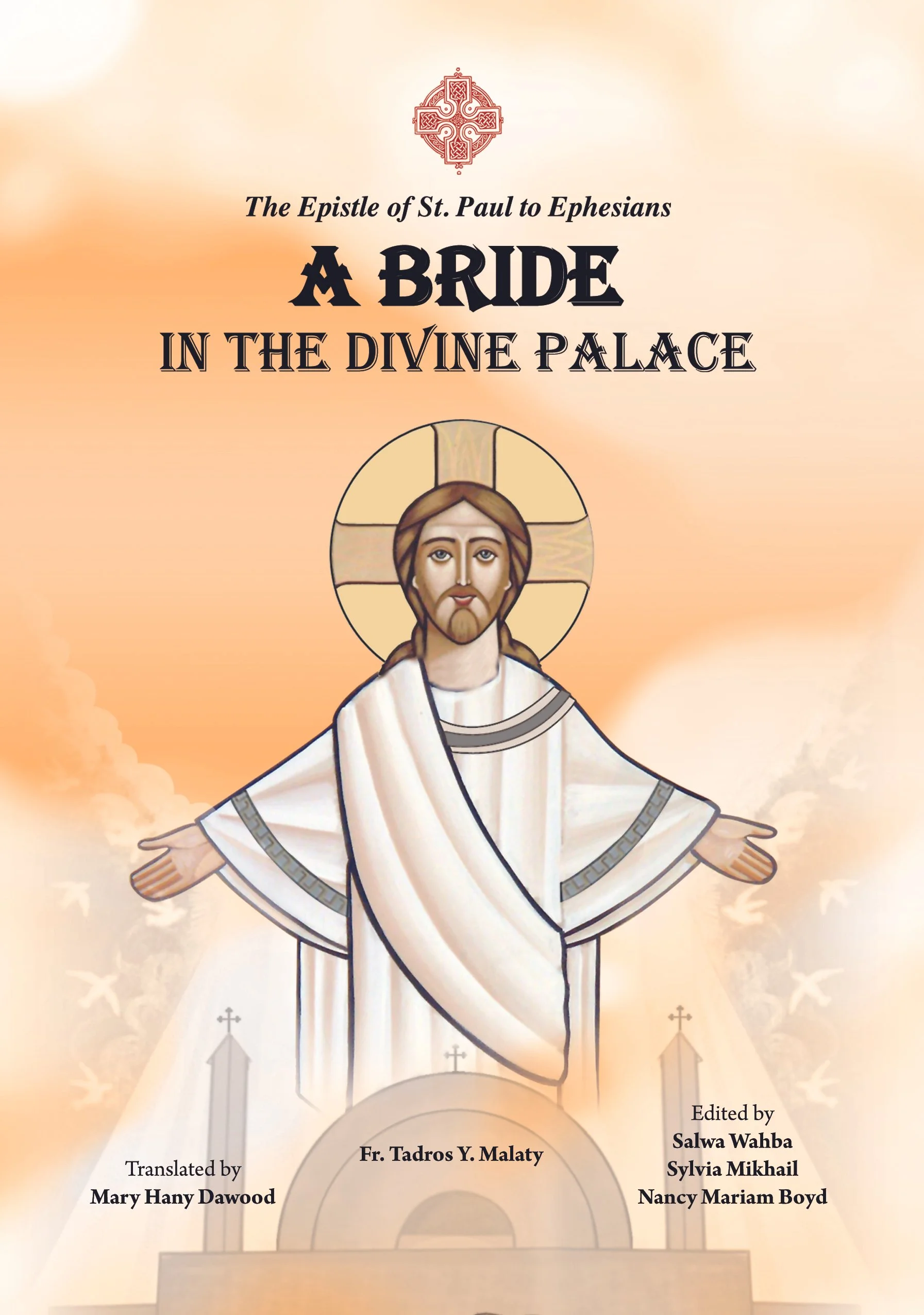
The Apostle (St. Paul) declares what is written about Adam and Eve thus: “This is a great mystery but I speak concerning Christ and the church” (Eph. 5:32); He has loved her so that He gave Himself up for her, while she was yet disobedient, even as he says: “While we were still, sinners, Christ died for us” (Rom. 5:6) . But if my Jesus is said to be taken up “in glory,” I see God’s graciousness to me.
The first six centuries of Christianity were colorful ones indeed. The early Church, as an extension of the Apostolic age, represents the living Bible which is practiced daily; it reveals biblical and heavenly thought. She also manifests her dogma, order, economy, and behavior as the bride of Christ and His ambassador in the world. The Church lived bearing the features of her crucified Christ, gladly and joyfully accepting persecution. These first six centuries were also characterized by councils, controversy, and heresy in the sincere quest for an understanding of the true faith. The efforts and struggles of the Church Fathers in both the East and the West, resulted in the development of theological terminology and shaped Christian doctrine; and thus, their writings are an invaluable source of knowledge.
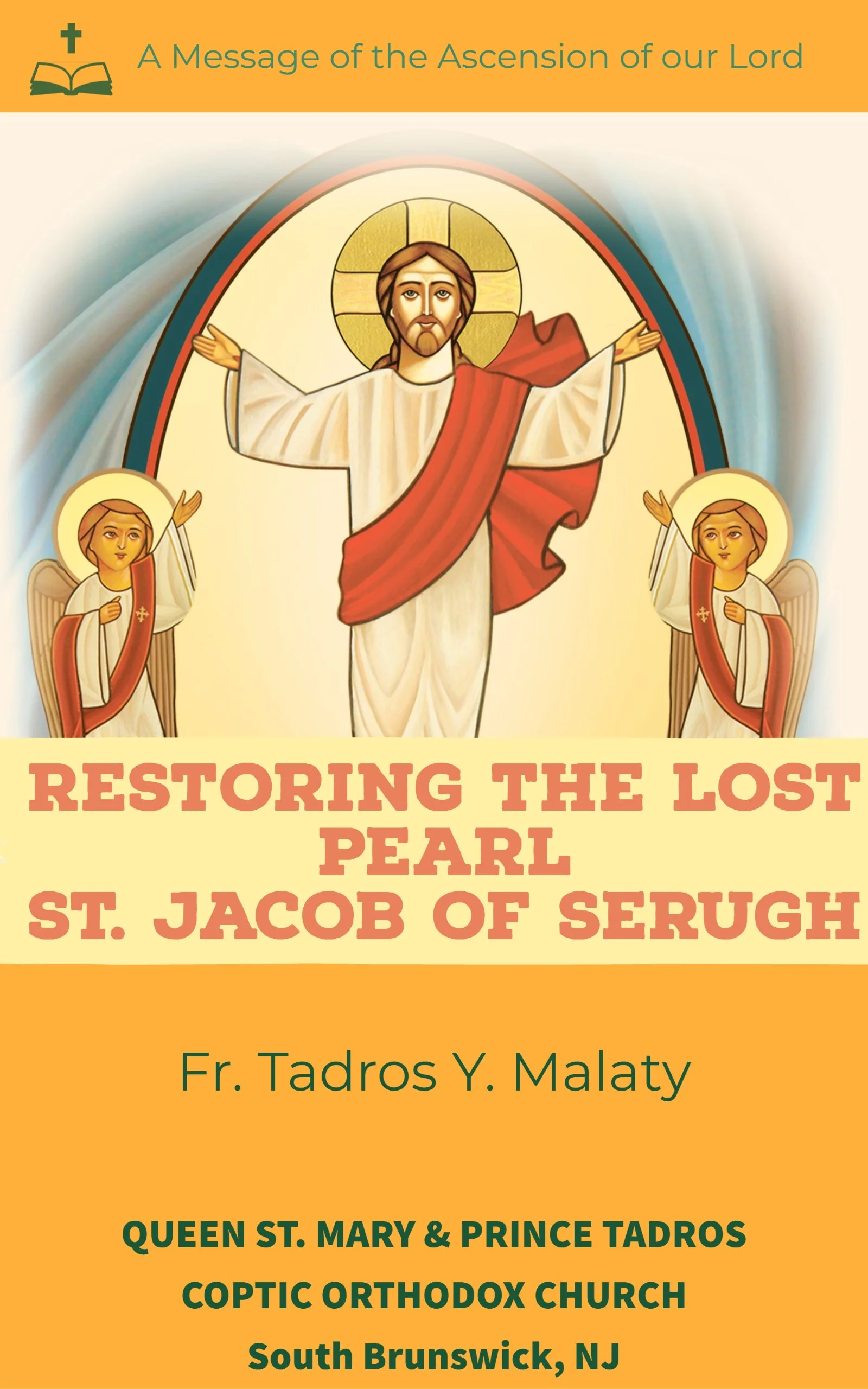
In great sweetness and honest feelings, St. Jacob of Serugh recorded for us the moments of Jesus’ ascension as a unique event that shook Heaven and earth. On that great day, the Lord Jesus Christ met with His Church at the Mount of Olives (Acts 1:12), raised His hands and blessed her (Luke 24:50) to enjoy the guarantee of the heavens. And while she was kneeling in front of Him, He raised his hands toward Heaven. This is why St. Jacob stands in amazement, trying to record for us these moments so we can share them. He sees the incarnated Son approaching, the heavenly Groom, holding the lost pearl for the Father where the door has been opened for the children of Adam to receive the image of God (Gen 1:27). He sees in the kneeling the Church that directed her gaze toward her ascended Groom. She moaned because she did not know Him when He was working from His birth for her salvation until He was raised from the dead. It is as if she was moaning: “Now I know You! I do not want to separate from You -- take me with You!”
Pastoral
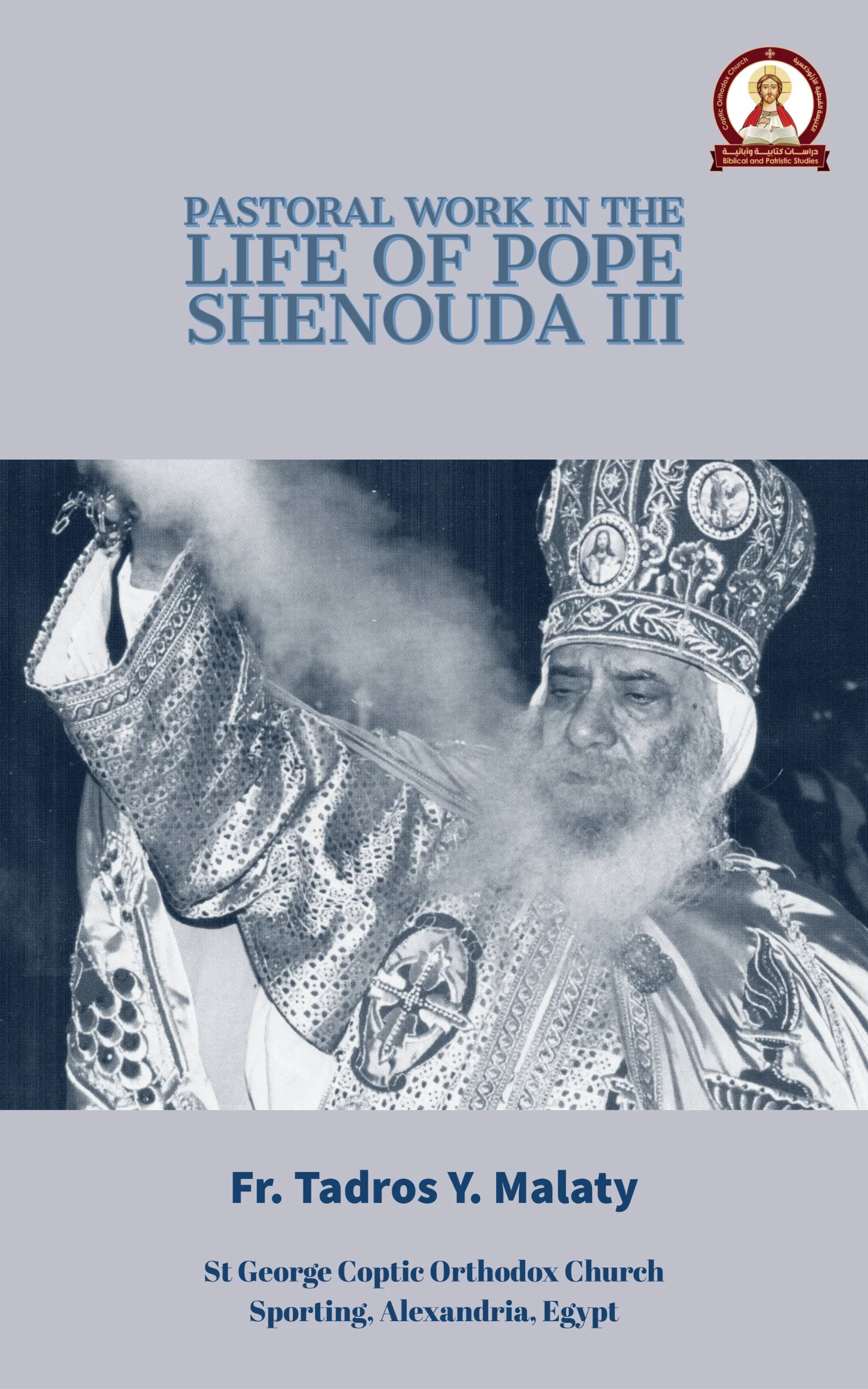
On Saturday 17th of March 2012, the long trip of pain, which the holiness Pope Shenouda the third has lived, had ended and the trip of the glories, the manifest and the hidden from the human eyes, has begun.
Those days on which Egypt has been lived with his departure to the paradise were called “Meeting of millions”. That meeting included the majority of Egyptian categories; if not all of them. It included Christians with all the denominations and Muslims, leaders and people. He had been the messenger of peace struggling in a difficult era, and a peaceful man even in his departure from this world.
They all expressed with all their heart the deep grief, and a lot of world’s presidents and institutions shared in uniquely and wonderfully.
His marvelous love to the leadership in the Arab countries, makes most of them say: “He isn’t the Pope of only the Christians, but he is the Pope of all the Arab countries”.
In his farewell, the people crowded in which three people died, and six ambulances carried those who couldn’t handle the terrible crowd. One of the broadcasters said: “I don’t wonder if some people prefer to die while they crowd to have the blessings from his corpse”.
Indeed, the unique way that we have seen in his farewell after he departed from this world is a natural fruit for the seeds of love which he planted in his life and resulted in love.
To my father, whom I truly love
Your soul never stopped working for the sake of every soul, when it was imprisoned in your weak body - even in the bitterest moments of pain. It will never stop working even, now, after leaving the body and fleeing towards heaven to enjoy complete freedom in God's bosom and with the saints.
When you were living in faith, God's peace filled your heart and pushed you to the pastoral work with great conviction - that everybody may experience unity with the suffering and the risen Jesus Christ. Now that you are in the Savior's bosom, seeing Him clearly, don't you long as much for the redemption of all humanity?!
I can't say that you have left your church and that you do not stand with us at God's altar, at which you were ordained. I can't say that your people have lost your care and strive for their salvation. Today you are closer to your church's altar and your people than before. You are of a more significant benefit for all of us. You are standing before God's altar, which is not man-made, praying with the heavenly unseen 24 priests. God uses you to fulfill His will, so you are able to perform what you could not complete before.
Indeed, I feel obligated to record these memories - not to praise, for with heaven and its glory you are in no need of the earthly. Rather, these memories are a living image of dedicated pastoral work and the constitution (law) of faithful spiritual service.
Pray for me my father so that God may grant me two of your spirits as he granted Elisha two souls of Elijah’s the prophet.
Fr. Tadros Yacoub Malaty
March 23rd, 1979
Saints
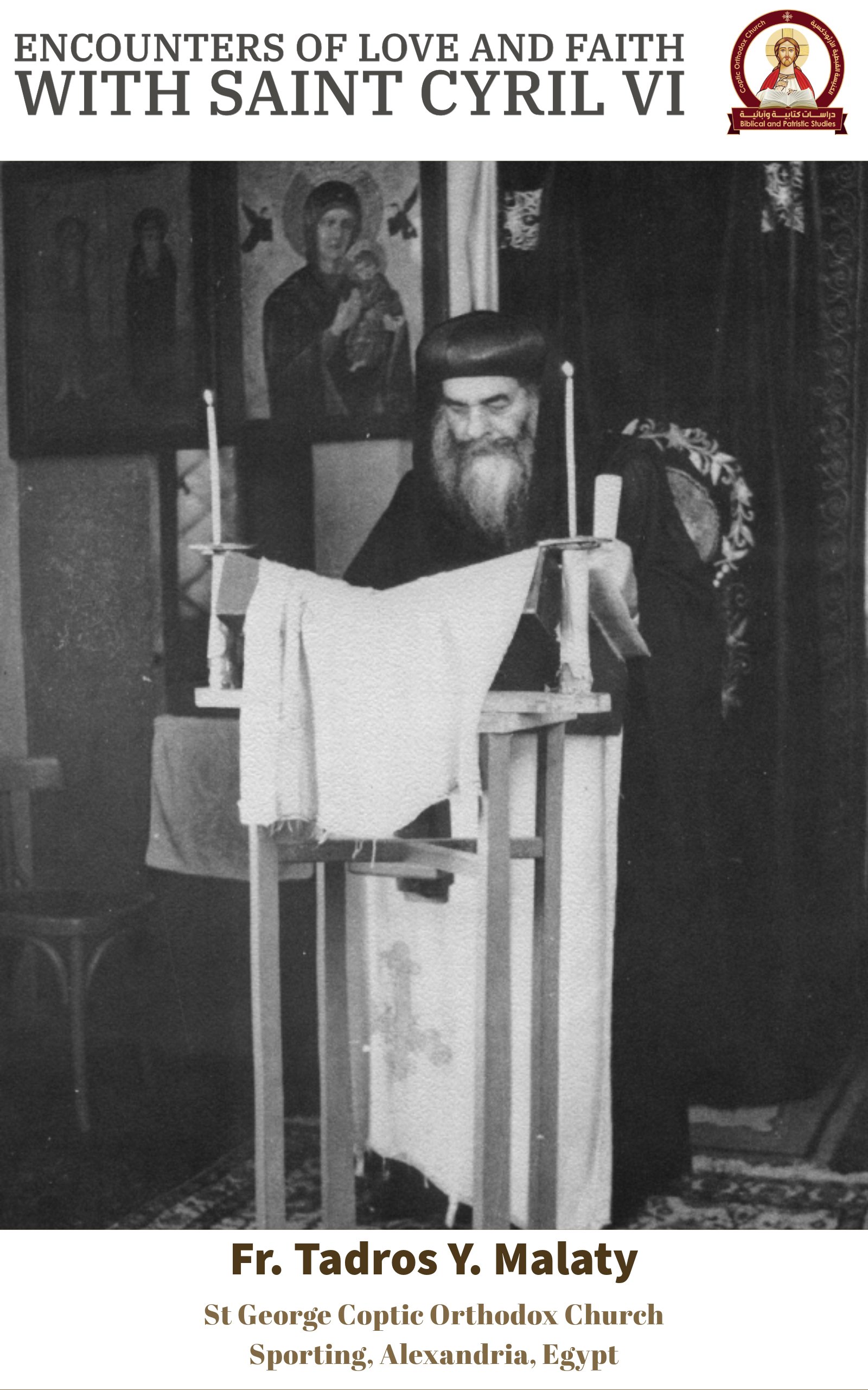
Encounters of Love and Faith with Saint Cyril VI: Stories of Love, Humility, and the Power of Prayer from Contemporary Men of God
Dive into inspirational tales of faith and dedication with "Encounters of Love and Faith with Saint Cyril VI," a compelling booklet that illuminates the unique lives and actions of contemporary Coptic Orthodox Church figures, Anba Samuel, Father Saleeb Soryal and Father Matta El-Meskeen with saint Pope Cyril VI. That collection showcases the profound impact of living in Christ according to biblical teachings, emphasizing the undeniable power of prayer, love, and humility.
Through real-life narratives, readers are invited to explore the essence of Christian faith — the belief in the Holy Trinity of God the Father, His Son, and the Holy Spirit — and how it empowers individuals to navigate and overcome life's challenges. "Encounters of Love" vividly illustrates how these men of God, armed with unwavering faith and dedication, became beacons of peace, reconciliation, and hope in times of strife and division.
This booklet is not just a testament to the strength of prayer and faith; it's an invitation to all, regardless of background or belief, to discover the transformative power of living in alignment with the Divine will. It proclaims Christ's message of love, peace, and service to others, encouraging readers to act as vessels of God's goodwill on earth.
Whether facing personal trials or seeking spiritual guidance, "Encounters of Love" offers comfort, inspiration, and insight. May the Lord grant His Grace to embrace the journey towards becoming a peacemaker and servant in our community, following the exemplary paths of these contemporary men of God.
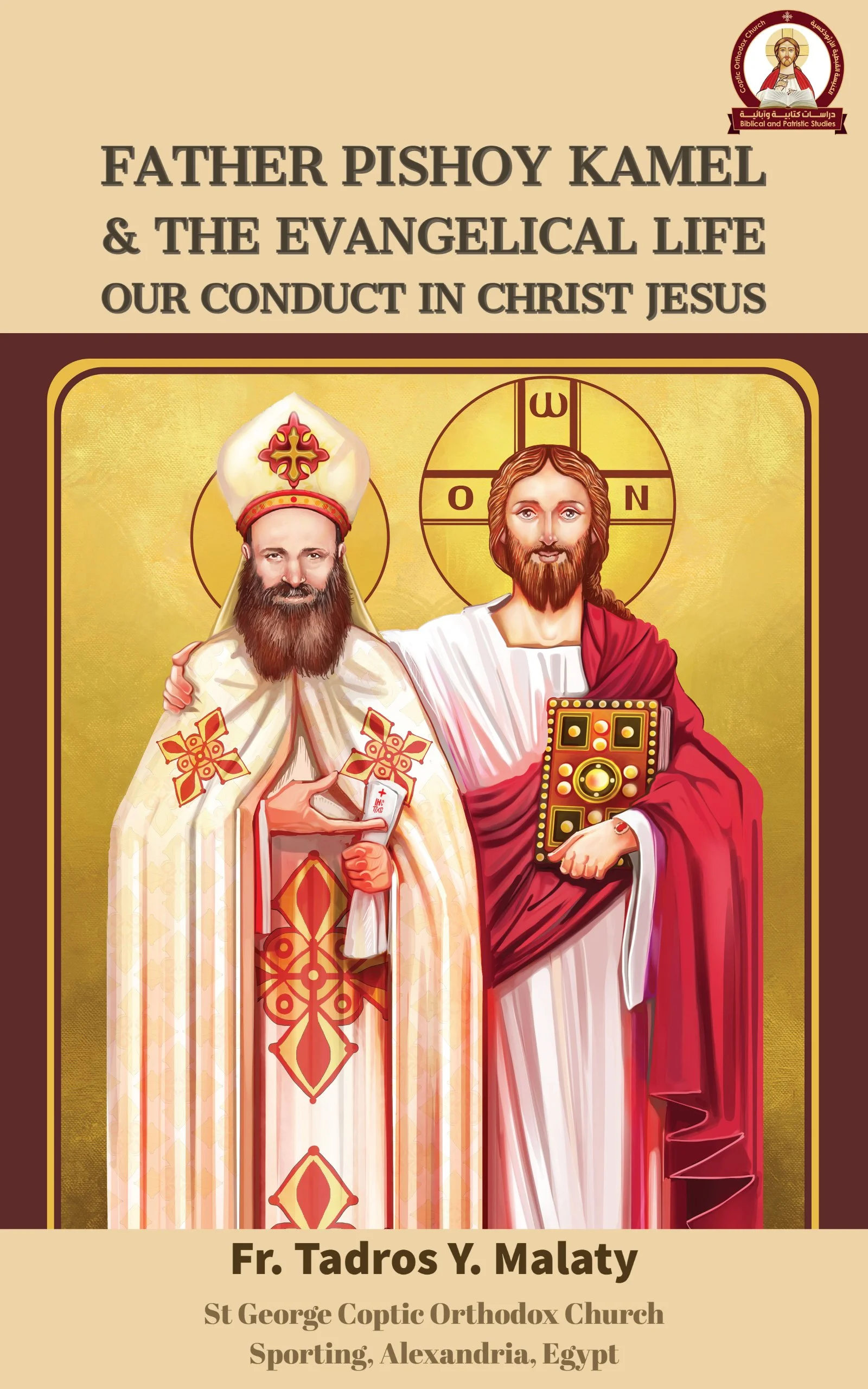
This book is the product of collected from a few articles issued after the passing of Fr Pishoy after reviewing and adding to it.
A Life of growing in the Lord for a Contemporary Priest
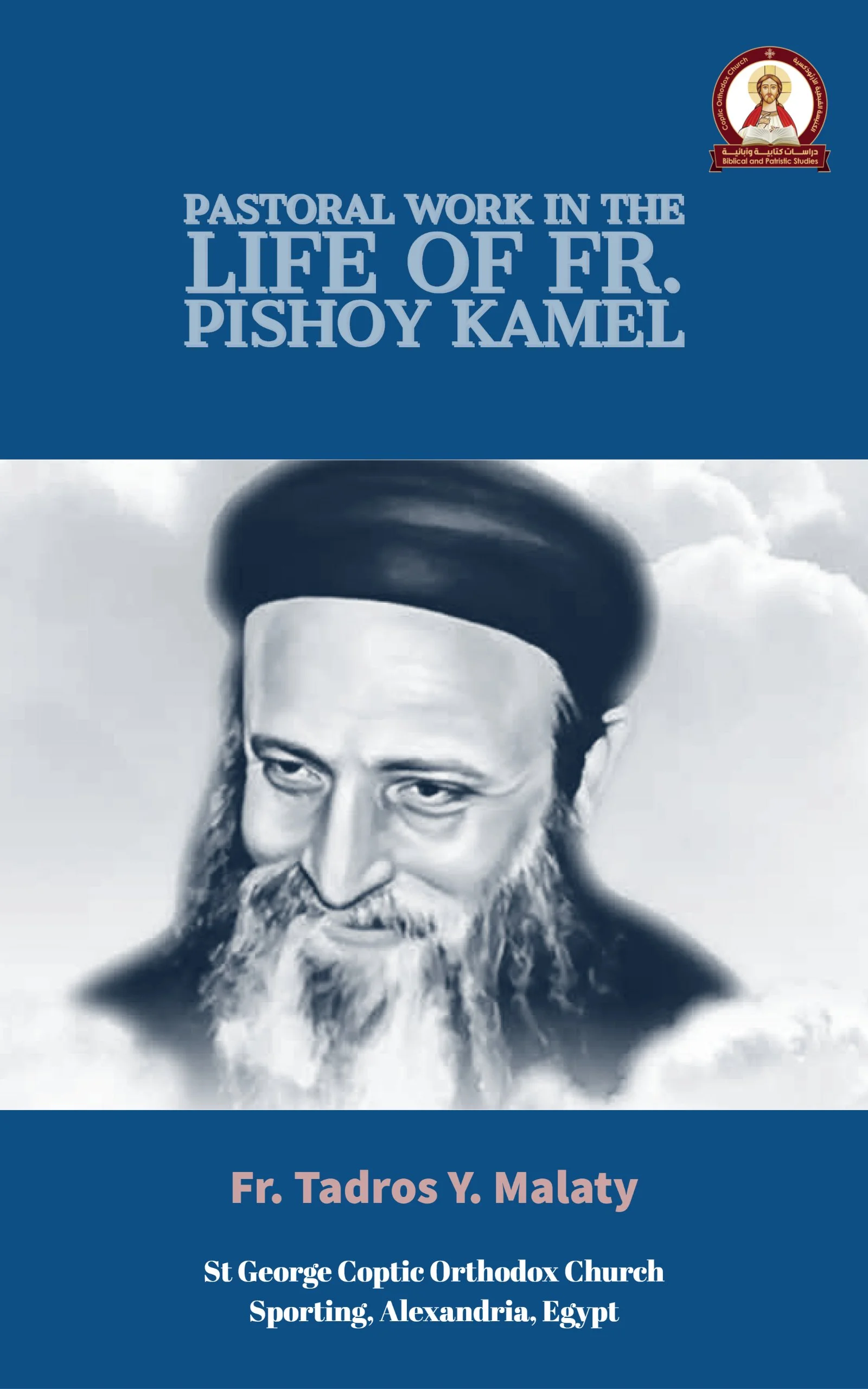
My God allowed me to meet the blessed brother Sami Kamel Ishak (Abuna Pishoy Kamel) in 1953 AD at the beginning of my university studies in Alexandria. At that time, he was a servant in the Church of the Virgin Mary in Muharram Bey.
Sami Kamel was characterized by an open, loving heart with wisdom, accompanied by a simple life. His virtues and spiritual abilities were apparent to all who met him, and his personality was attractive to believers and unbelievers.
After his ordination as a priest at St. George the Martyr Church, his star shone more and more, especially after he departed from this world. Death did not conceal him, but we felt his prayers and intercession before God in Paradise. I am not exaggerating if I say that many of those who met him and participated with him in the service still feel that he is closer to them than he was among us, whether in his youth or his priestly service, in Egypt or the diaspora.
Fr. Tadros Y. Malaty
I thank You, My Lord Jesus, O You who genuinely loves children.
You became a child that I may experience You being a wonderous friend!
When You entered Jerusalem, the infants and little children rejoiced and were praising You without anyone teaching them.
For my sake You were crucified, allow me to kiss Your wounds!
How joyful were the angels with the martyrs, especially the little children among them!
Satan and his evil angels were envious, since they were banished from heaven, while we became like righteous angels!
We await Your coming on the clouds that we may also join the procession of the children of Bethlehem the martyrs!
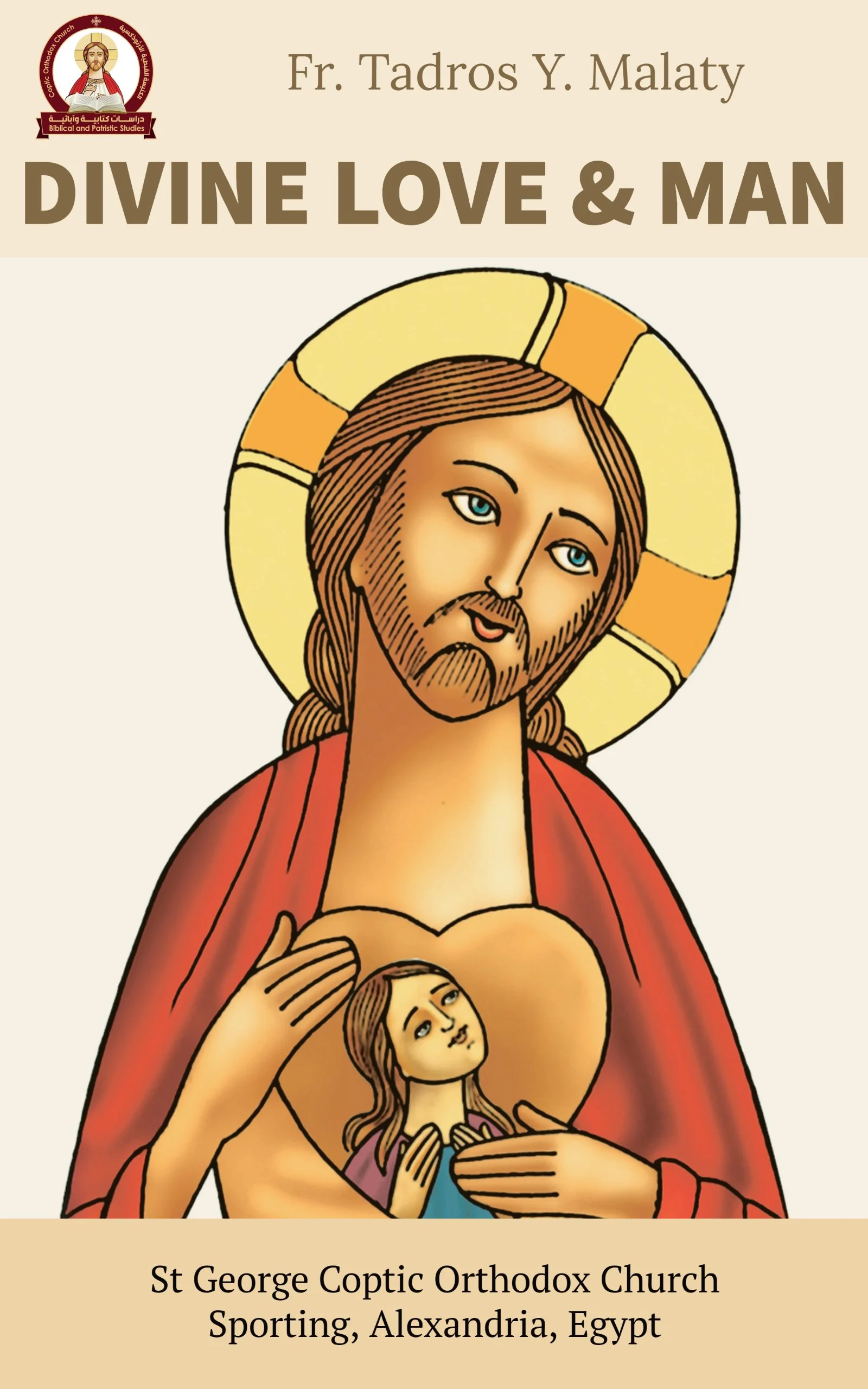
Holy Love
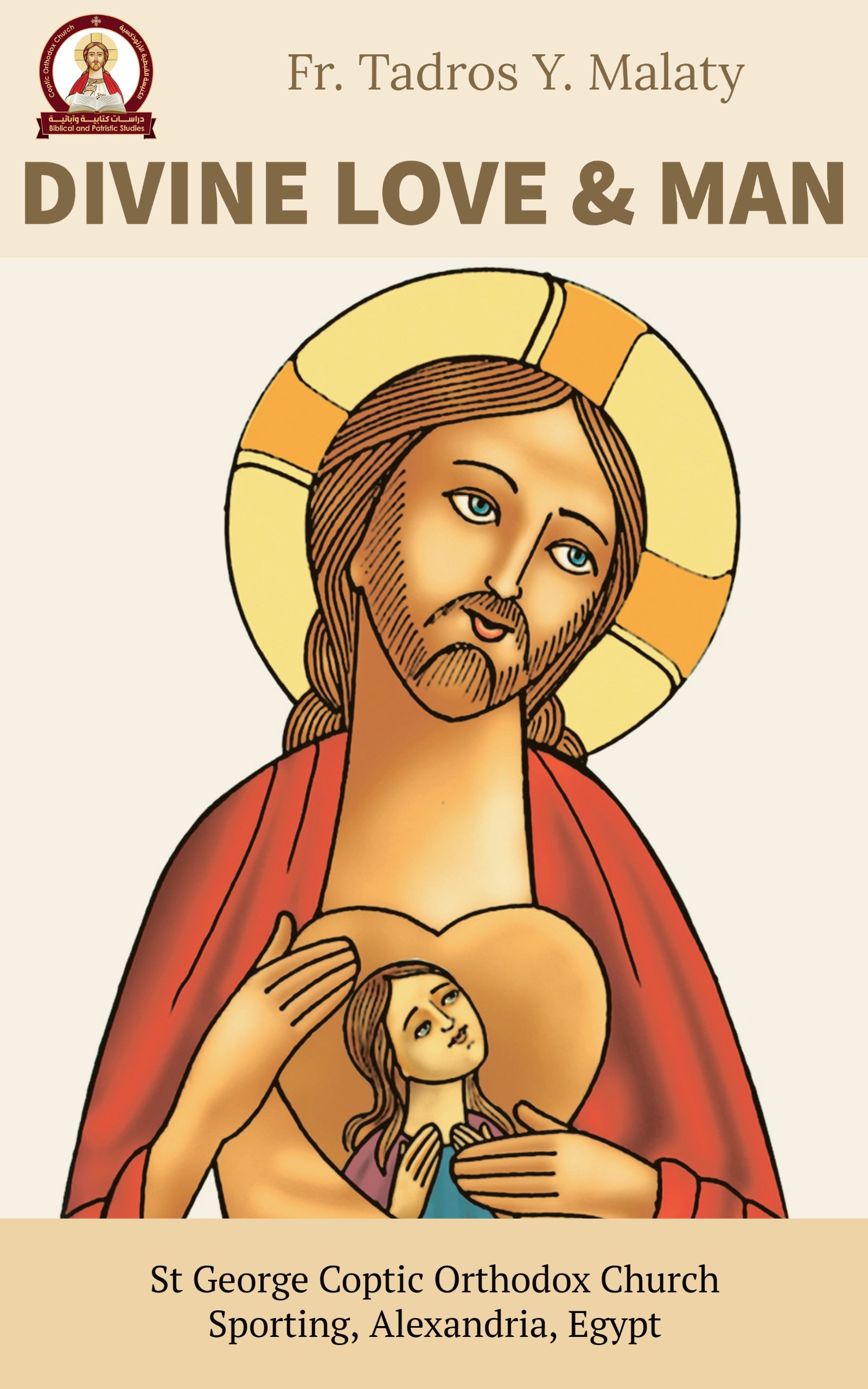
I dare to talk about Divine Love, to find myself talking about 'God' Himself, because "God is love" (1 John 8:4). Thus, I challenged myself to write about matters of which I do not deserve to speak. There are no human languages, not even angelic, capable of explaining it, for no one knows Godly affairs except the Spirit of God (1 Corinthians 2:11).
Let the Spirit of God help us to feel His presence in the depths of our hidden hearts and to open our eyes in recognition of the dimensions of unlimited Divine love.
These dimensions cannot be expressed in words or letters nor measured by any standard. Even the movements of the heart could drown in the depths of this love and become drunk, losing control and awareness. As Paul, the Apostle said, "That you, being rooted and grounded in love (i.e., in God), may be able to comprehend with all the saints what is the width and length and depth and height - to know the love of Christ which passes knowledge; that you may be filled with all the fullness of God" (Ephesians 3:18-19).
Fr. Tadros Y. Malaty
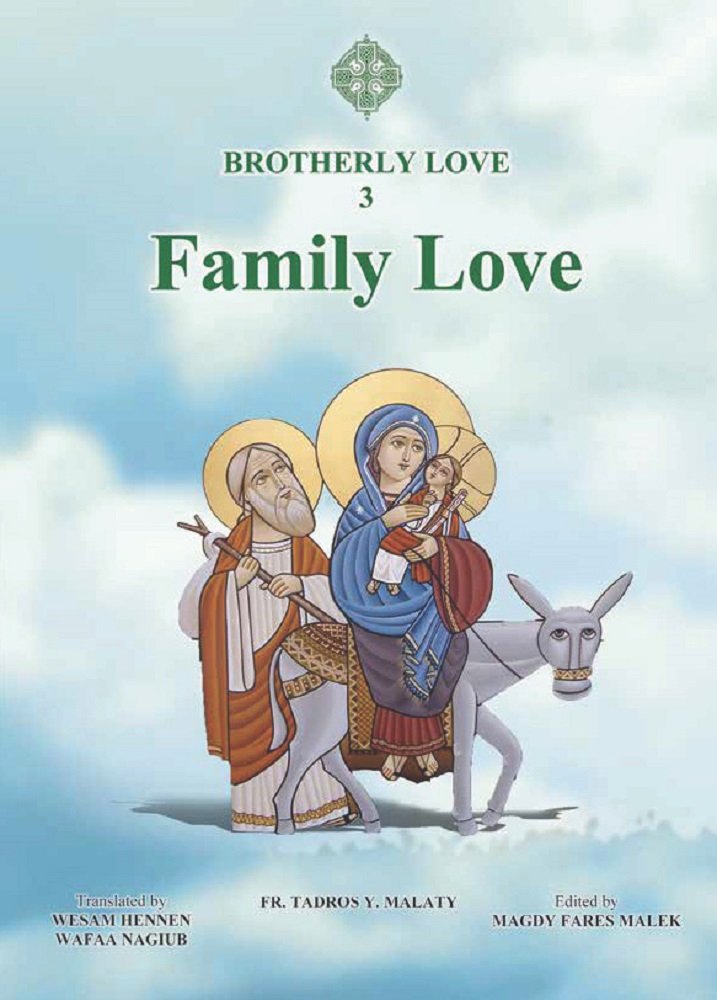
This is book 3 of the series "BROTHERLY LOVE".
It discusses the following topics:
1. FAMILY BOND
2. PARENTHOOD IN CHRISTIANITY
4. PARENTHOOD BETWEEN LOVE AND AUTHORITY
5. PARENTHOOD AND SACRED LOVE
6. PARENTHOOD AND FIRMNESS
7. RAISING CHILDREN AND VAINGLORY
8. LOVING PARENTS
9. CHRISTIAN FILIATION
10. WONDERFUL FATHER: SONS AND DAUGHTERS IN THE LORD
Short Stories
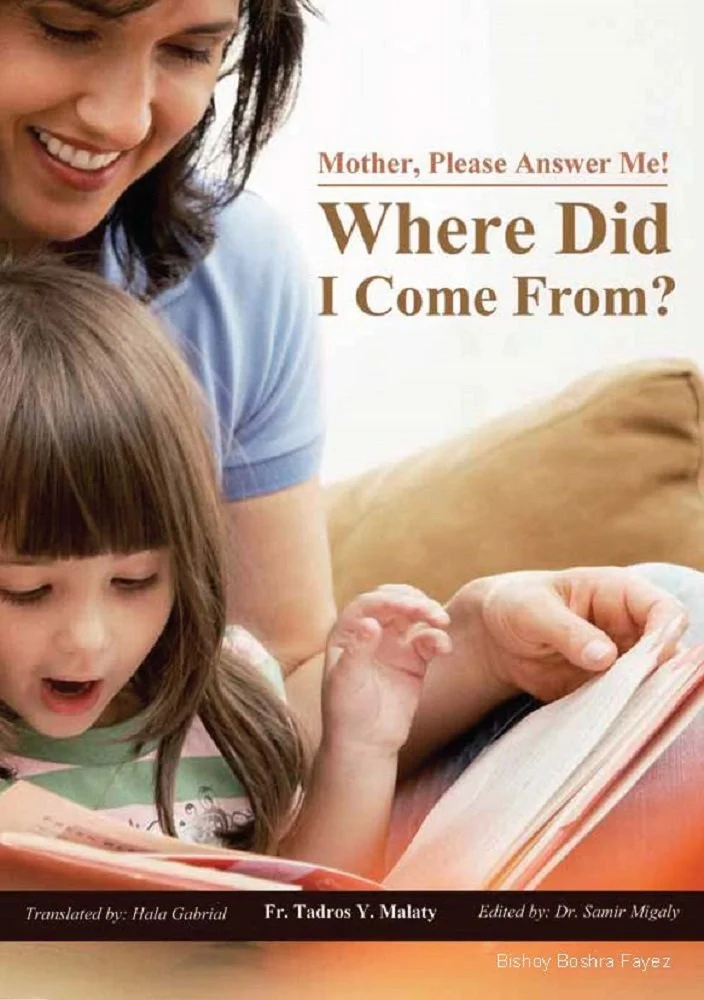
This book answers many questions little kids ask to their parents such as:
Why did God establish families? Where did I come from? How did I come out of your tummy mom? Is father also able to give birth? How does the baby live inside its mother’s stomach? What the womb looks like? How does the fetus eat? What does the fetus wear? How does the fetus go to the bathroom? Who created all of the creatures?
Answers are presented in a form of dialogue between a little girl called Irene and her family
Dogma
God created man in His image as the most perfect of His creation on earth. He did not plan to leave the man in Paradise alone, but to embrace him as His beloved, and to grant mankind unity with Him.
Fr Tadros Y. Malaty