

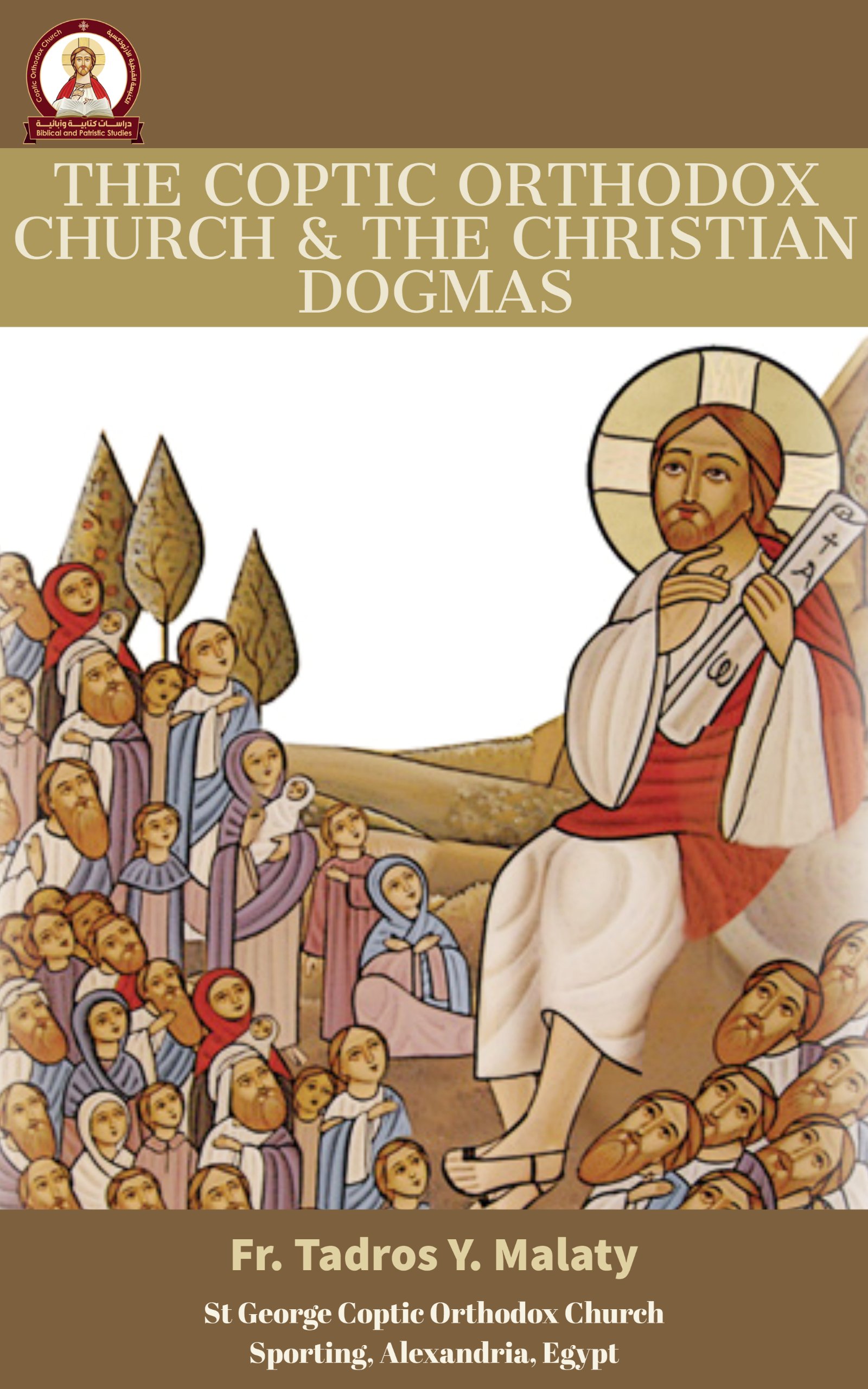
THE COPTIC ORTHODOX CHURCH & THE CHRISTIAN DOGMAS
To the Coptic Orthodox Church, Dogmas are not merely theological concepts concerning God, man, Church, eternal life, heavenly creatures, demons, etc., to be discussed among clergymen, scholars, and laymen. But dogmas are, in essence, daily experiences each member of the Church has to live. In other words, dogmas representing our faith in God through various aspects have one message, i.e., our communion with God the Father in Jesus Christ, the incarnate Word of God, by His Holy Spirit. Thus, we conceive of our redemption, our membership in the Church, a deep understanding of the Holy Bible, and acceptance of the Kingdom of God within our souls, communion with the heavenly creatures, and the experience of eternal life. St. John, the Evangelist, and Theologian declared Christ's Godhead so that we "have life in His name" (Jn 20:31).
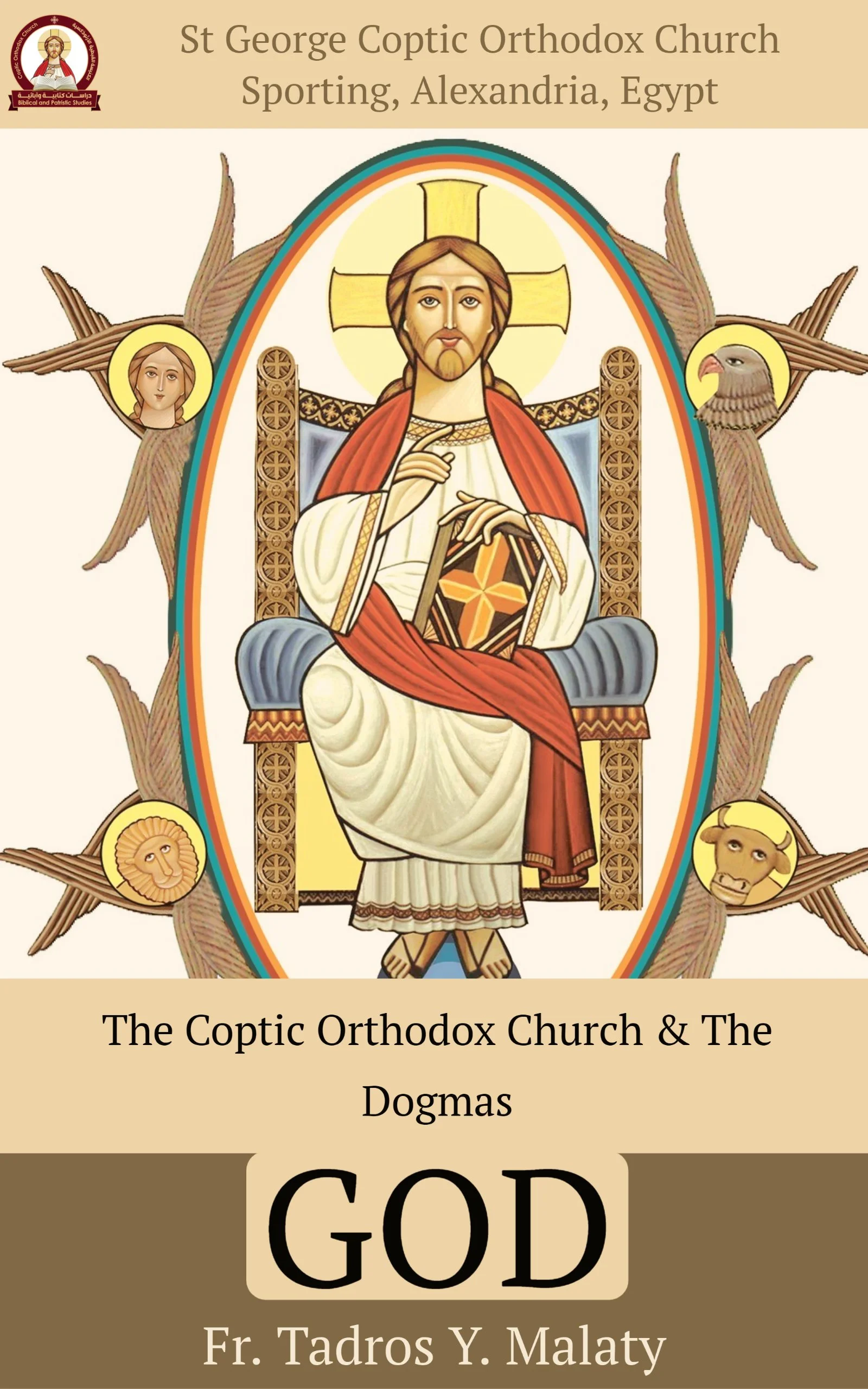
GOD: The Coptic Orthodox Church & The Dogmas
God created man in His image as the most perfect of His creation on earth. He did not plan to leave the man in Paradise alone, but to embrace him as His beloved, and to grant mankind unity with Him.
Fr Tadros Y. Malaty
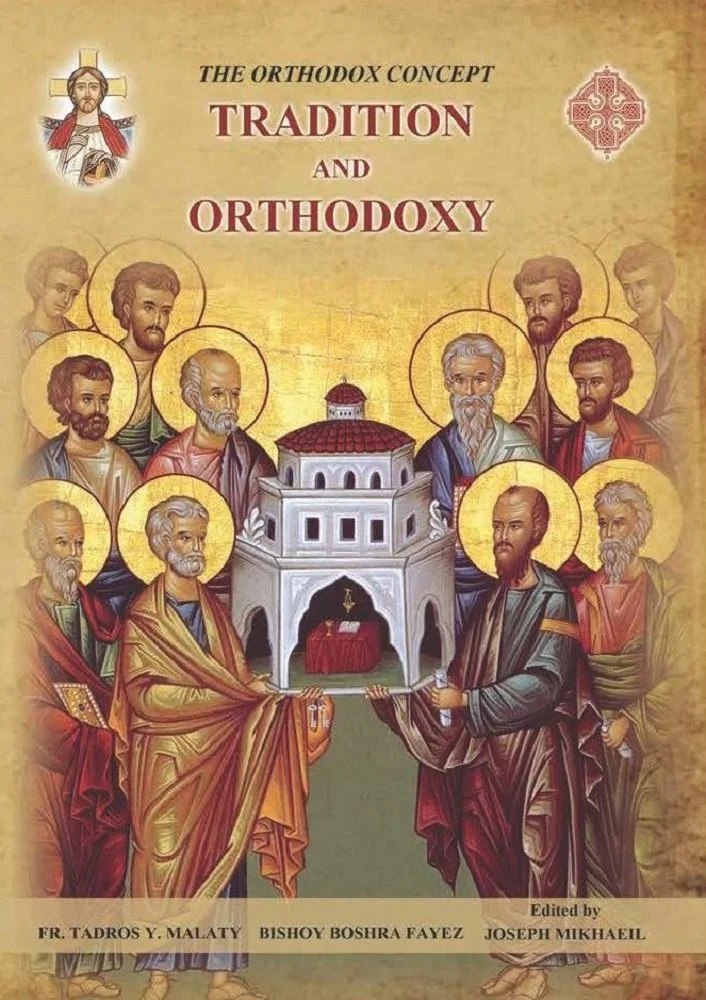
THE ORTHODOX CONCEPT: TRADITION AND ORTHODOXY
For a long time, some western writers looked to “tradition” as blind obedience to the past, a means of mechanically conveying inert thoughts and ideas. Their point of view holds tradition as a precise catalog of ancient doctrines, canons and rites, or else a museum for antiquity. Therefore, they consider the traditional church obsolete, an obscurant to modern mores, and attached to what is old simply for its antiquity.
In this simple work, I would like to explain our concept to “tradition” through the Holy Bible, patristic thought and our practical church life.
Fr. Tadros Y. Malaty
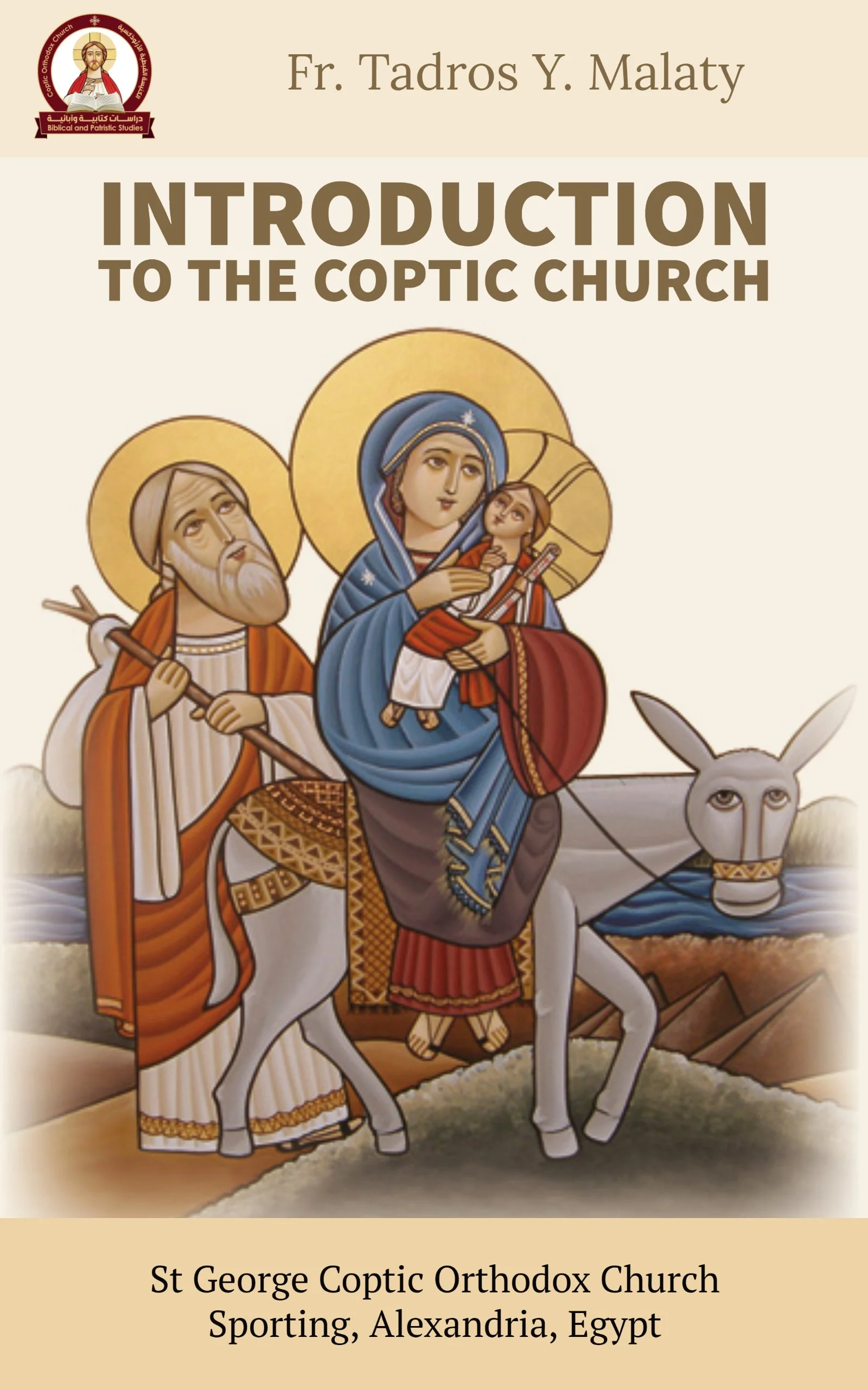
INTRODUCTION TO THE COPTIC ORTHODOX CHURCH
In An Introduction to the Coptic Orthodox Church, Fr. Tadros Y. Malaty presents the faith, life, and spiritual vision of the Coptic Church with pastoral warmth and clarity. Rooted in the apostolic foundation laid by St. Mark the Evangelist, this book reveals a Church that is ancient in her faith yet ever renewed by the living Christ. Moving beyond history alone, the book invites into the heart of Orthodox Christianity: biblical faith, sacramental life, worship, prayer, monastic spirituality, and the sanctification of daily life. With simplicity and depth, Fr. Tadros explains not only what the Church believes, but why she prays as she does and how her traditions form whole, living disciples of Christ. Written for readers of every background, this introduction speaks to: • Christians seeking roots and continuity • Those curious about Orthodox worship and theology • Families, servants, and seekers longing for a faith that is lived, not only studied Throughout these pages, the Coptic Church is revealed as a Church of martyrdom and joy, discipline and love, heaven and earth—a spiritual home that embraces every person and calls each one into communion with God. This book is an invitation to encounter Orthodoxy not as an abstract tradition, but as a living path in Christ.
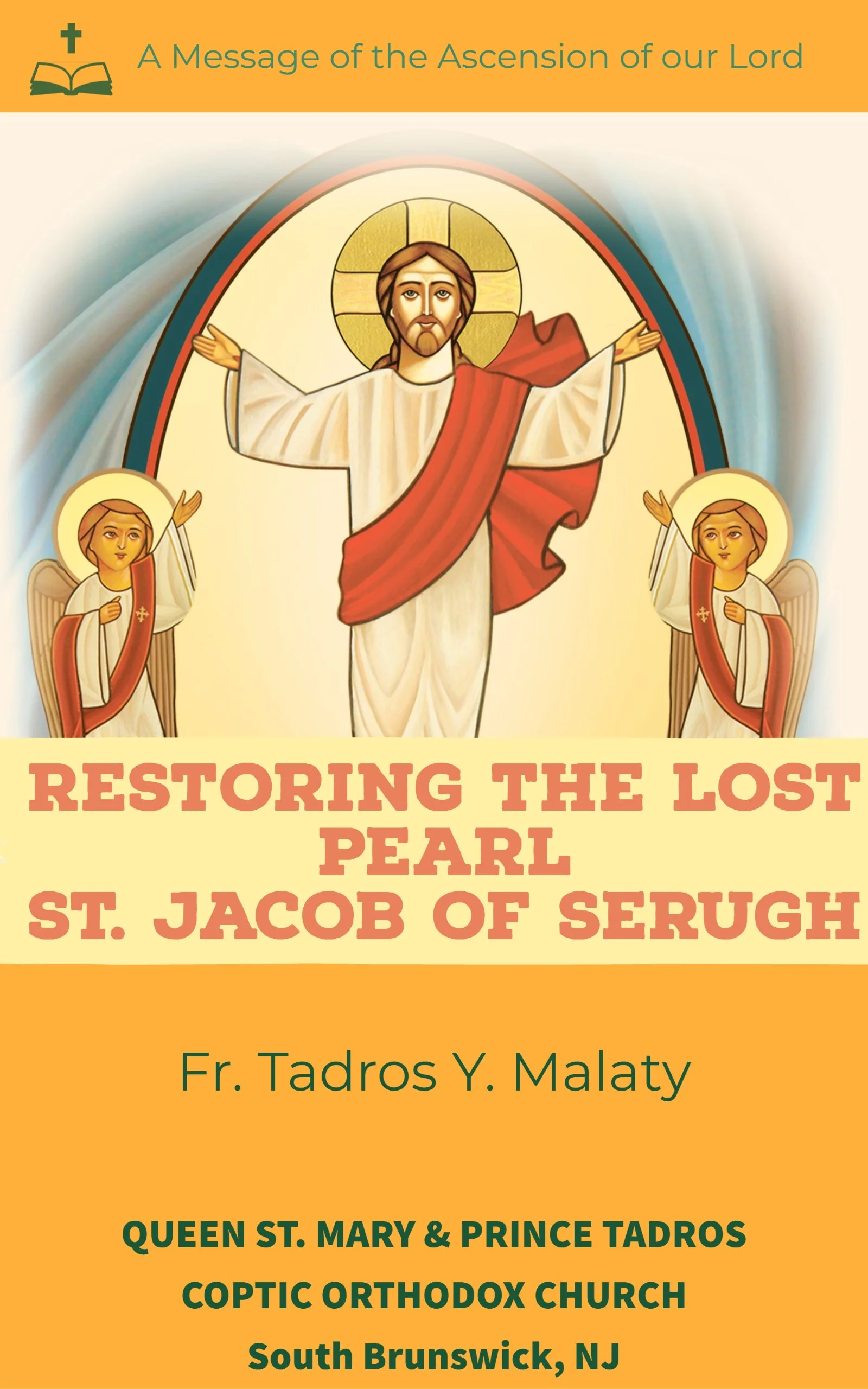
Restoring the Lost Pearl - St. Jacob of Serugh
In great sweetness and honest feelings, St. Jacob of Serugh recorded for us the moments of Jesus’ ascension as a unique event that shook Heaven and earth. On that great day, the Lord Jesus Christ met with His Church at the Mount of Olives (Acts 1:12), raised His hands and blessed her (Luke 24:50) to enjoy the guarantee of the heavens. And while she was kneeling in front of Him, He raised his hands toward Heaven. This is why St. Jacob stands in amazement, trying to record for us these moments so we can share them. He sees the incarnated Son approaching, the heavenly Groom, holding the lost pearl for the Father where the door has been opened for the children of Adam to receive the image of God (Gen 1:27). He sees in the kneeling the Church that directed her gaze toward her ascended Groom. She moaned because she did not know Him when He was working from His birth for her salvation until He was raised from the dead. It is as if she was moaning: “Now I know You! I do not want to separate from You -- take me with You!”
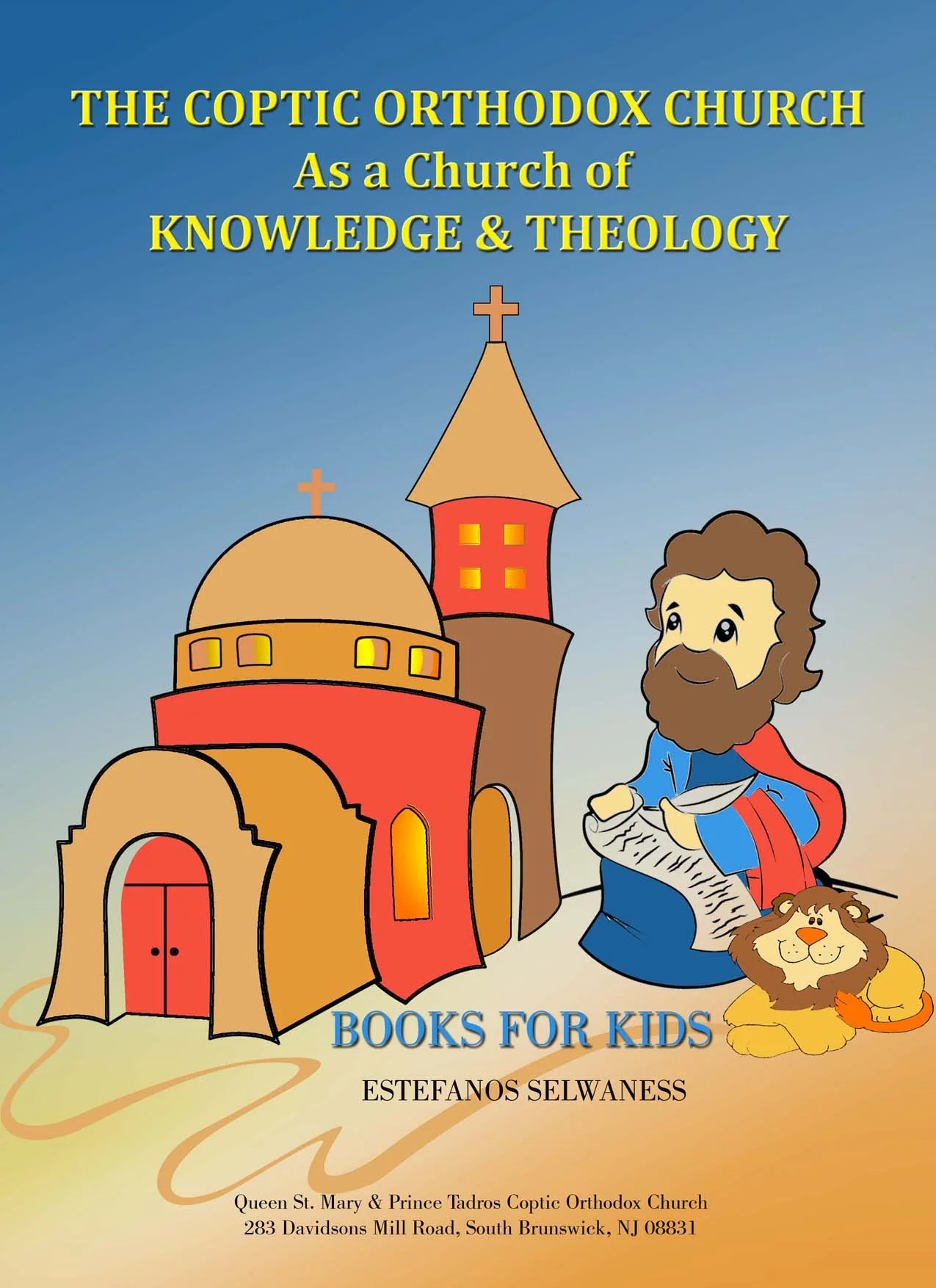
THE COPTIC ORTHODOX CHURCH As a Church of KNOWLEDGE & THEOLOGY
This booklet is a conversation between Mark and his uncle George about Saint Mark and the school of Alexandria. St. Mark established a Christian school in Alexandria called The Cathecitcal School of Alexandria.
The Coptic Orthodox Church as a Church of ERUDITION & THEOLOGY
Alexandria was famous for its many schools long before Christianity became established in the city. By far the largest school was the "Museum," founded by Ptolemy and destined to become the most renowned school in the East. Other celebrated institutions were the "Serapeum" and the "Sebastion." Each of these three schools possessed its own enormous library.
St. Jerome records that St. Mark himself founded the Christian School of Alexandria . The Holy Spirit inspired him to establish the school in order to teach Christianity since this was the only way to provide the new religion a solid foundation in the city.
The School eventually became the oldest center for sacred sciences in the history of Christianity.
The Christian School started as a Catechetical School where candidates were admitted to learn the Christian faith and some Biblical studies to qualify for baptism. Admittance was open to all people regardless of culture, age or background.
By the second century, its substantial influence on church life.
THE SCHOOL'S DEANS
A quick glimpse of the names heading the Christian School of Alexandria provides ample evidence of the school's history and its rank among similar institutions. Among these are Athenagoras, Pantaenus, Clement, Origen, Heraclas, Alexander, Dionysius, Theognostes, Peter, Macarius, Didymus the Blind as well as Athanasius the Apostolic, Cyril of Alexandria, Dioscorus, etc.
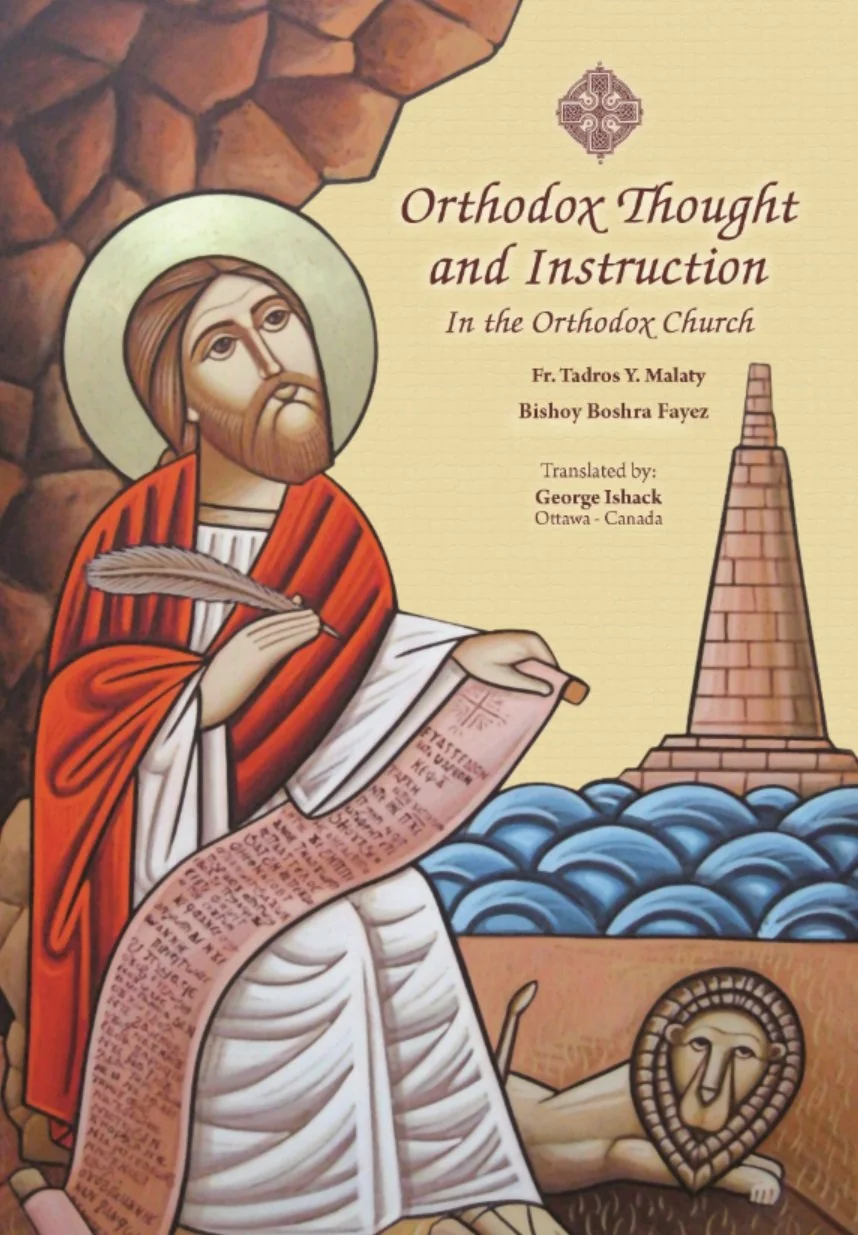
Orthodox Thought and Instruction: In the Orthodox Church
The Church's primary task is ensuring the practical encounter of humanity with the Holy Trinity. This task aims for the Church to regain God's lost image in her because of sin; this, in turn, enables the Church to live through Him, on earth, and to embark on a pleasurable trip, during which she delights in heaven's deposit, through the work of the divine grace. This is the purpose of the Word's incarnation, His crucifixion, His resurrection, His ascension, and His second coming. He is the unique Divine Tutor - the philanthropic Saviour of humanity.
Let the Lord grant us now the understanding of orthodox thought, and its instructive role in the Church's life during its estrangement to be propelled to eternal glory.
This book discusses the following topics:
1. Our Lord Jesus Christ the unique Teacher.
2. Instruction in the School of Alexandria.
3. The view of St. Basil the Great concerning classical instruction and culture.
4. St. John Chrysostom's program of instruction.
5. Our instructional needs in the current generation.
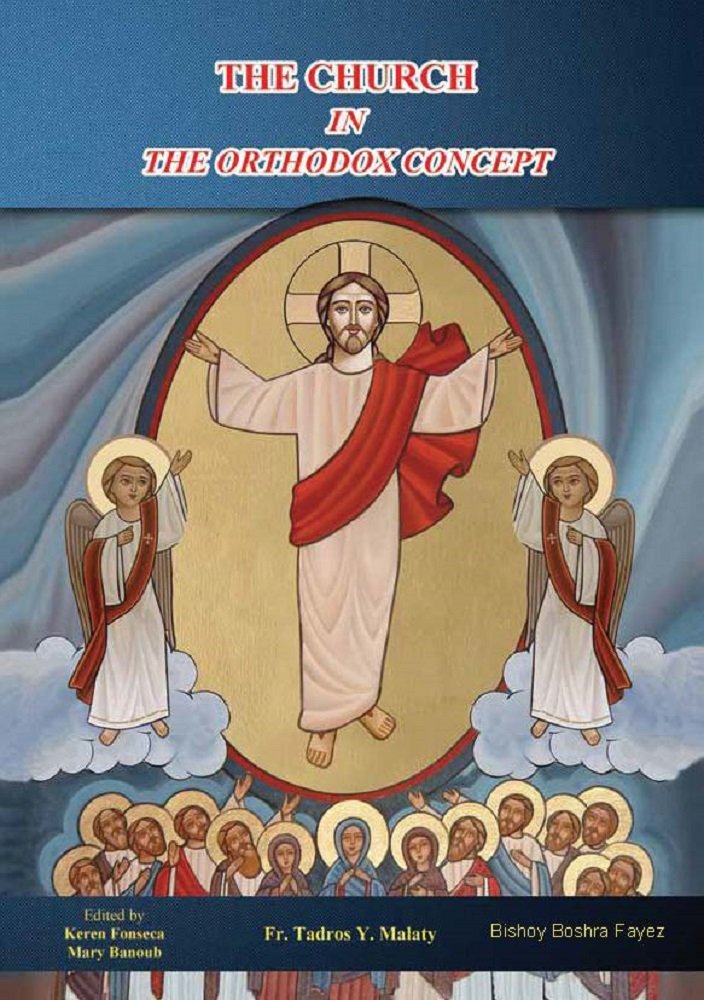
THE CHURCH IN THE ORTHODOX CONCEPT
The Church is the new “life in Christ,” or the "communion with the Father in the Son by the Holy Spirit,” or the enjoyment joy or partaking of the grace of God. God purchased her at the cost of Christ's Blood (Acts 20:28). Understanding the Church means perceiving the relationship between God and man, manifested in the divine plan of salvation, God's Fatherhood, the kingdom of Christ, the work of the Holy Spirit, the means of grace, the lessons from the history of mankind, the destiny of men etc. It is through the Church that God makes known His redeeming wisdom even to the heavenly hosts (Eph. 3:10).
This book discusses the following points:
• The Nature of the Church.
• The Church Democracy
• The Church Unity.
• Church, Bible and Tradition.
• Church, Tradition and the present life.
• Church and the Apostolic Succession.
• Church councils and conciliarity.
• Church Renewal as a constant movement.
• Renewal and the concept of Ecumenism.