Patristic Commentary Series
Interpretations & Meditations of the Early Fathers
“And beginning at Moses and all the Prophets, He expounded to them in all the Scriptures the things concerning Himself.”
A lifetime of labour: Scripture explained in the light of the Fathers, offered to help every heart meet Christ, the Word made flesh.
Old Testament
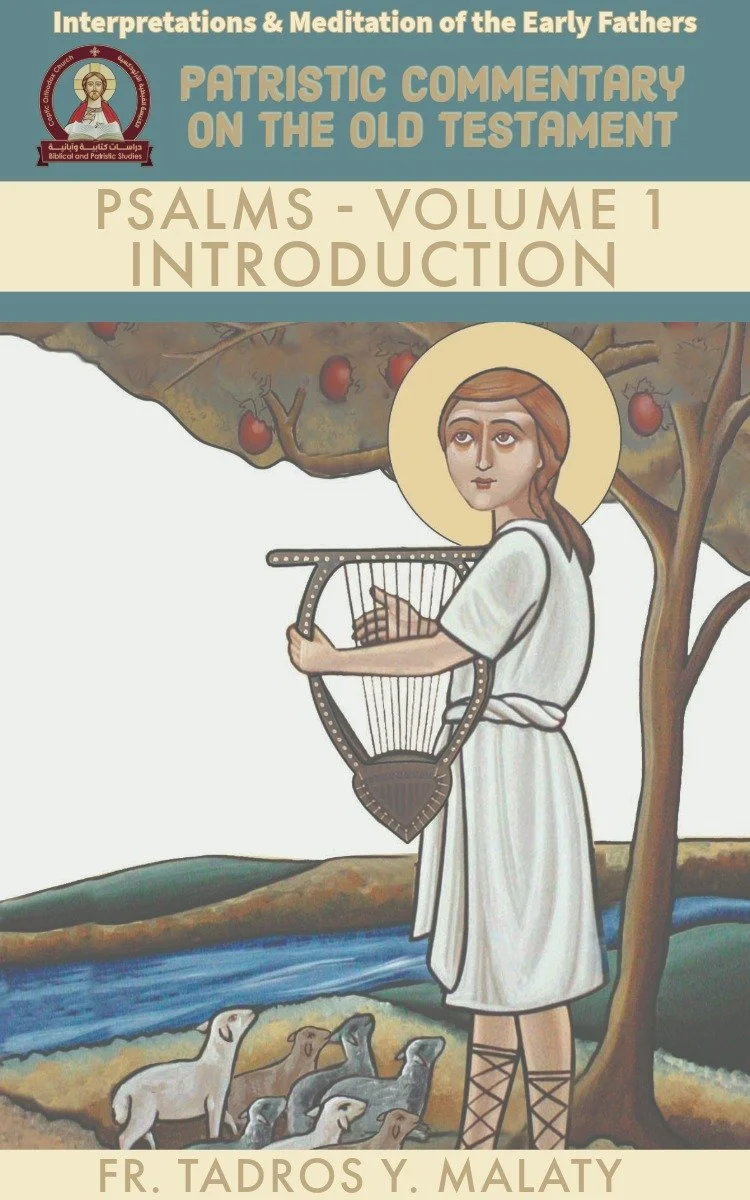
The Book of Psalms is the Church’s eternal prayer book: uniting heaven and earth, soul and body, suffering and glory. In this Patristic Commentary, the Psalms are presented as a living journey of the soul, shaped by the voice of Christ, the experience of the early Church Fathers, and the rhythm of salvation history.
This first volume introduces the structure, spirit, and depth of the Psalms, preparing to walk through each Psalm not only as prayer and poetry, but as prophecy fulfilled in Christ. Themes include:
The fivefold division of the Psalter and its spiritual meaning
The Psalms as the voice of Christ and the Body of Christ
Use of the Psalms in worship, repentance, and daily struggle
Insights from St. Athanasius, St. Augustine, St. Cyril, and more
How the Psalms heal, elevate, and form the inner life of the believer
📚 About the Series
The full commentary is published in seven volumes:
🔹 Volume 1: Introduction
🔹 Volume 2:Division 1 – Man and Salvation (Psalms 1–41)
🔹 Volume 3:Division 2 – The Church and Salvation (Psalms 42–72)
🔹 Volume 4:Division 3 – The New Temple (Psalms 73–89)
🔹 Volume 5:Division 4 – The New Earth (Psalms 90–106)
🔹 Volume 6:Division 5 – The Word of God (Psalms 107–150)
🔹 Volume 7:Psalm 151 – David overcomes Goliath
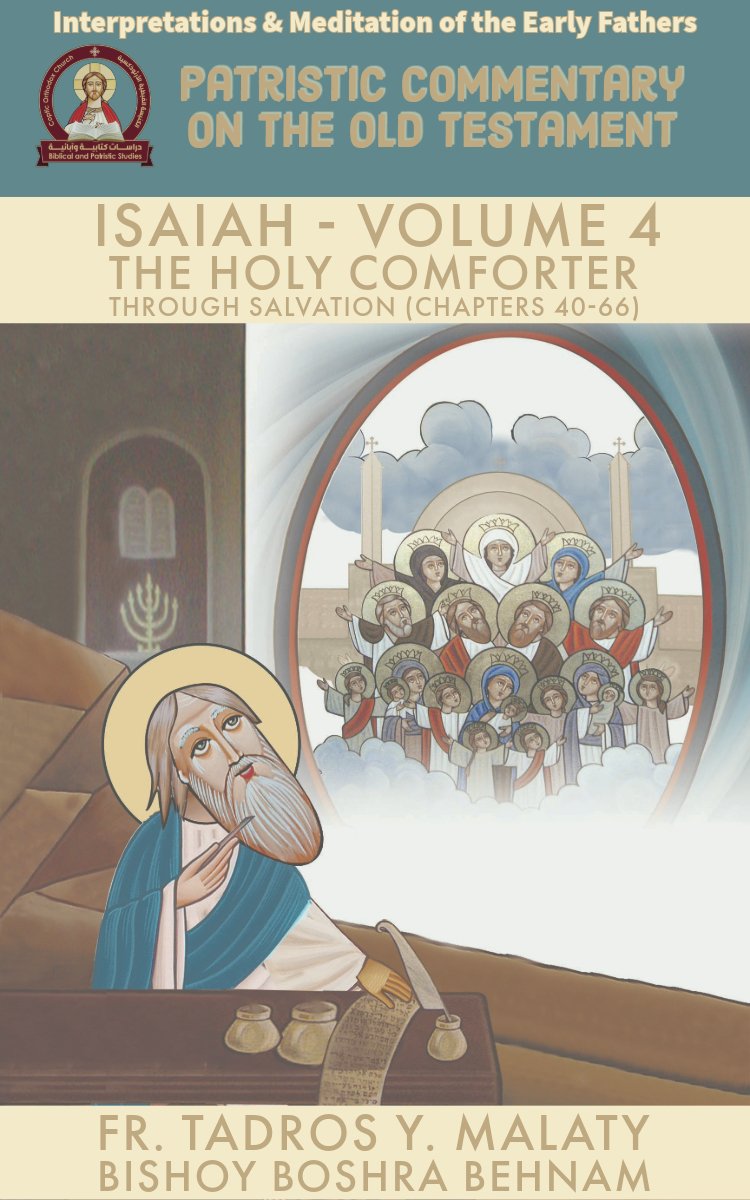
This final volume in the Patristic Commentary on the Book of Isaiah brings the prophetic masterpiece to its majestic conclusion. Covering chapters 40–66, this section of Isaiah shifts from chastisement and judgment to comfort, renewal, and the vision of ultimate salvation. Through the voice of the prophet and the lens of the early Church Fathers, Isaiah now proclaims God as the Holy Comforter—the One who lifts, restores, and redeems His people.
Drawing from the Coptic Orthodox tradition and the writings of saints and patristic scholars, this commentary invites readers into a profound journey that includes:
The messianic prophecies of the Suffering Servant
The universal call to salvation extended to all nations
The spiritual promise of the New Jerusalem
God's covenantal love revealed as a healing force stronger than sin and exile
These chapters, often referred to as the Gospel of the Old Testament, contain some of the most frequently quoted and spiritually profound texts in all of Scripture—foretelling Christ’s redemptive work, the role of the Church, and the final hope of glory. The patristic commentary makes these eternal themes accessible, deeply theological, and personally transformational.
📚 Explore the Complete Series:
Volume 1: Introduction and Theological Foundations
Volume 2: The Holy Chastiser (Chapters 1–35)
Volume 3: The Holy Grantor of Victory (Chapters 36–39)
With this final volume, the Book of Isaiah stands as a unified message of holiness, judgment, and triumphant love—fulfilled in Christ and alive in the Church.
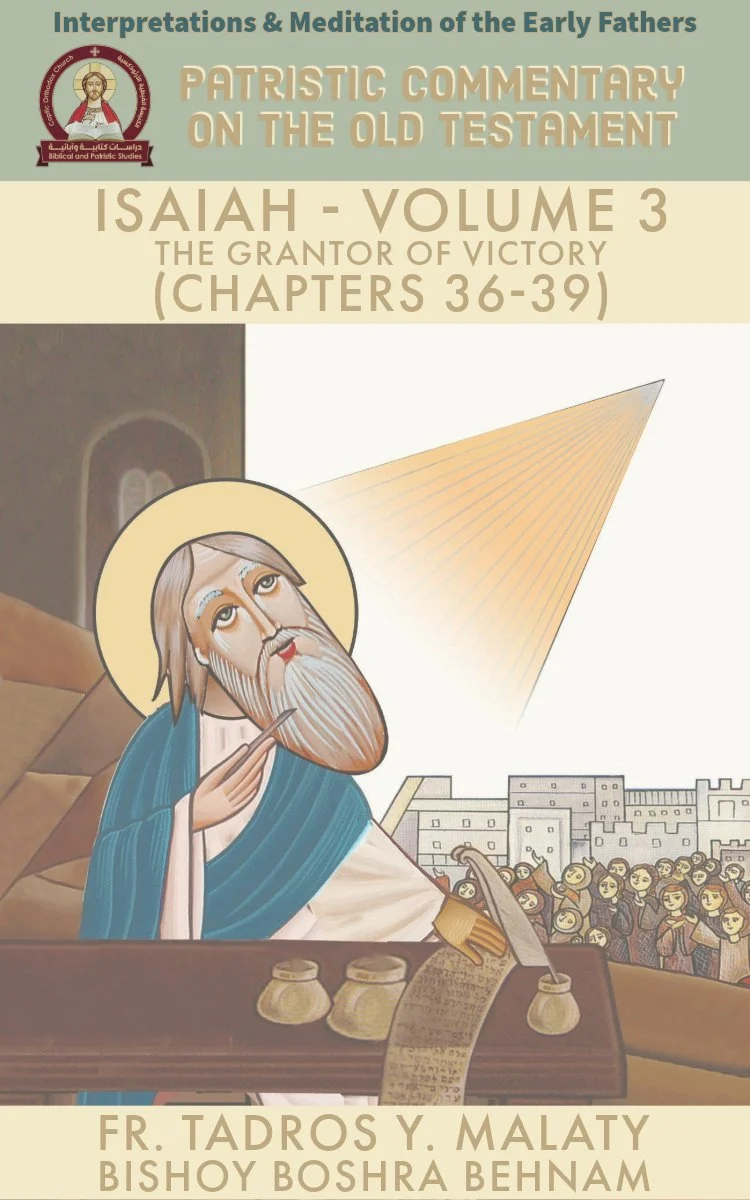
This third volume in the Patristic Commentary on the Book of Isaiah examines a pivotal moment in the prophetic narrative, where historical drama, spiritual warfare, and divine intervention intersect. Covering chapters 36–39, this section presents the reign of King Hezekiah during the Assyrian siege—an era marked by both miraculous deliverance and tragic human weakness.
Through the eyes of the early Church Fathers and the Coptic Orthodox tradition, we encounter God not only as the Righteous Judge but as the Holy Grantor of Victory, who saves His people when they turn to Him in prayer and humility. This volume includes:
The psychological and theological drama of Sennacherib’s invasion
Hezekiah’s fervent prayers, healing, and miraculous extension of life
The profound lessons of divine rescue and human pride
How God's chastisement and mercy are intricately woven into salvation history
As with previous volumes, the commentary draws from the spiritual insight of saints like St. John Chrysostom, St. Athanasius, and the Desert Fathers, making Isaiah’s words alive for today’s reader—especially those facing spiritual battles, leadership challenges, or personal trials.
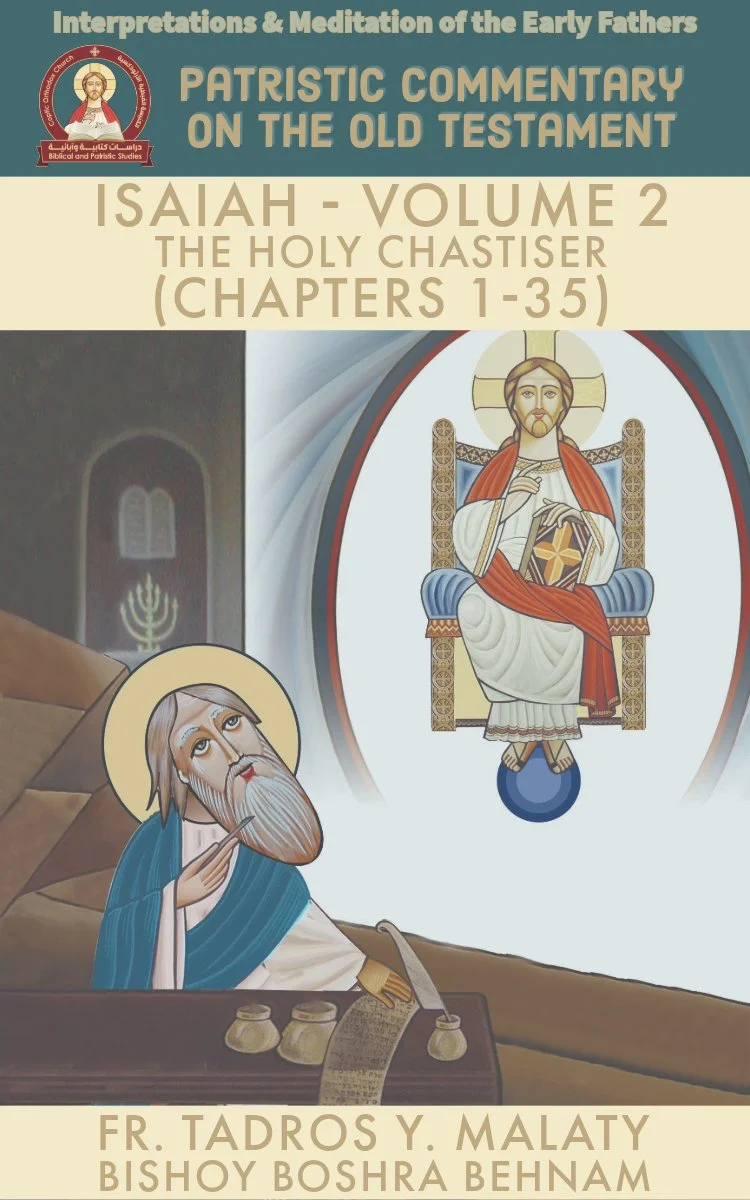
This second volume in the Patristic Commentary on the Book of Isaiah continues the journey begun in Volume 1, delving deeply into the prophet’s earliest messages—warnings of judgment, calls to repentance, and glimpses of redemption. Drawing from the wisdom of the early Church Fathers and the Coptic Orthodox tradition, this work reveals the richness of Isaiah's voice as both fierce reformer and tender intercessor.
Covering chapters 1–35, this volume illuminates:
God’s righteous judgment against hypocrisy, injustice, and idolatry
The spiritual decay of Judah and the prophetic call to return to holiness
The hope of a faithful remnant and the vision of a future kingdom of peace
Prophecies of the Messiah as the coming King, Judge, and Redeemer
Through patristic reflections, we understand how divine chastisement is a form of love, leading the soul back to God.
This book speaks powerfully to the spiritual struggles of today—where sin often hides behind religious ritual, and hope flickers in a broken world. Rich in theological insight, liturgical allusion, and pastoral application, this volume will inspire readers to see the prophetic Word as a living call to transformation.
📗 Also Available:
Start your journey with Volume 1: Introduction and Theological Foundations — where Isaiah’s life, message, and unity are introduced in light of the early Church.
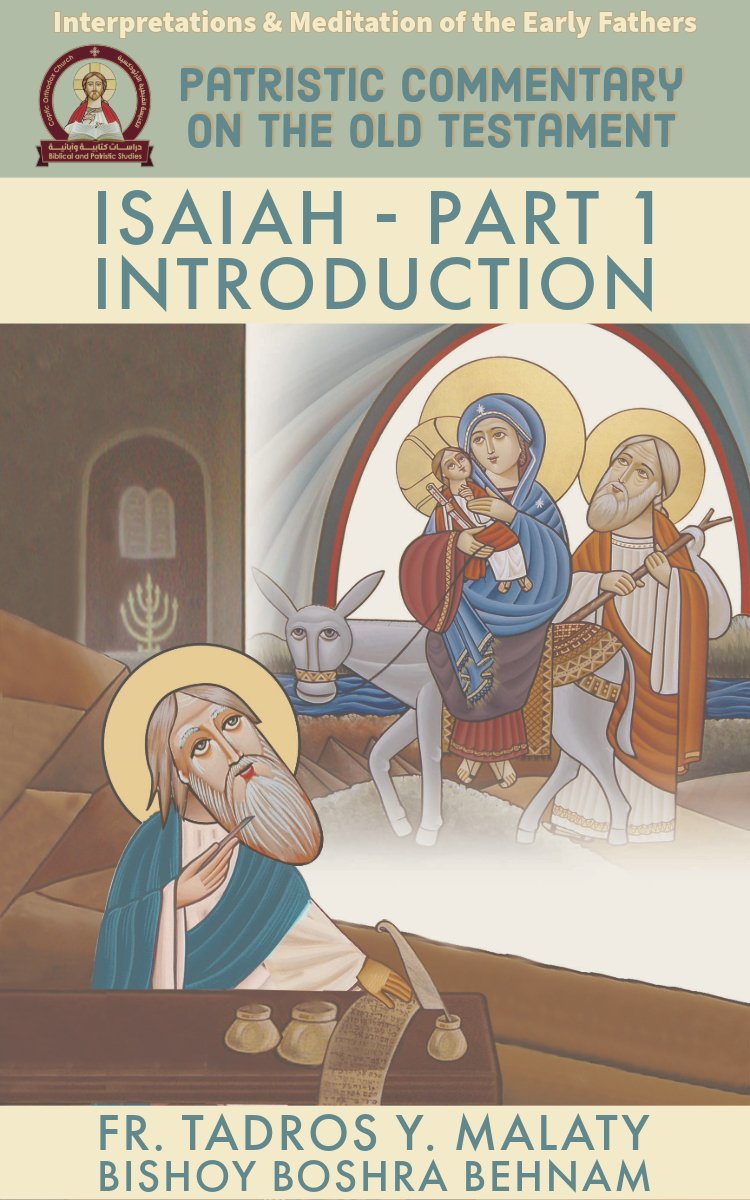
That first volume in the Patristic Commentary on the Book of Isaiah opens the door to one of the rich and prophetically profound texts of the Old Testament. This Introduction is rooted in the Coptic Orthodox tradition and draws from the early Church Fathers, offering a panoramic view of Isaiah's life, message, and enduring legacy.
Far more than a historical overview, this volume presents Isaiah as both seer and evangelist—the prophet whose writing is called "The Fifth Evangelist" and whose words the early Church saw fulfilled in Christ's incarnation, passion, and resurrection.
Inside, you will explore:
The social, political, and religious climate of Isaiah's time.
The prophet's personal life, calling, and character.
A detailed look at the major themes of Isaiah's theology: holiness, sin, salvation, and the role of the Servant of the Lord.
How Isaiah's prophecies reveal the New Testament and the Church's liturgical life.
The unity of the book and modern critical divisions.
Whether you're a theologian, a student of Scripture, or a curious believer, this volume offers timeless insights that illuminate Isaiah's prophetic voice—not as ancient history but as a living call to repentance, hope, and divine glory.
Deuterocanonical
The Book of Ben Sirach clarifies that the first step towards enjoying wisdom is to attain the fear of the Lord. Then the believer is prepared to receive wisdom as a gift from God. The fear of the Lord is not unjust, but a means to honor; it is a crown of glory, loftiness, and constant gladness and rejoicing until the moment of death. Ben Sirach differentiates between fear leading to grief and shame, and fear which grants honor and glory (4:20-21) and lasting gladness. The first kind of fear occurs as a psychological disease leading to a condition of depression. In contrast, holy fear, which he characterizes as being ʺfear of the Lordʺ, is a beneficial gift, which God grants to His children.
New Testament
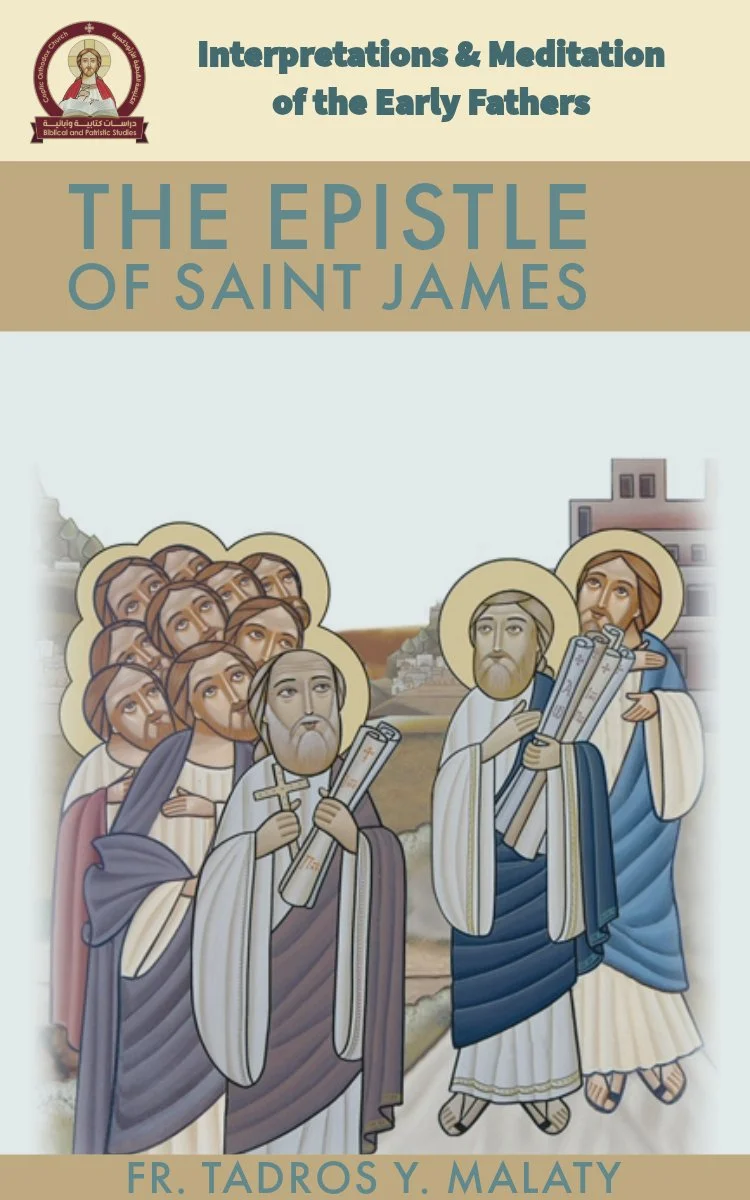
The Epistle of James stands as one of the most practical and penetrating books of the New Testament: a call to a living, mature faith expressed through love, humility, and steadfastness. In this patristic commentary, shaped by the richness of the Coptic Orthodox tradition and the wisdom of the early Church Fathers, readers encounter James not merely as a letter but as a spiritual guide for authentic Christian life.
This volume reveals the depth of James’s teaching on:
Faith proven through works of mercy and righteousness
Endurance in trials and joy in testing
The power of speech, humility, and peace-making
True religion that cares for the weak and guards the heart
Prayer, confession, and healing within the life of the Church
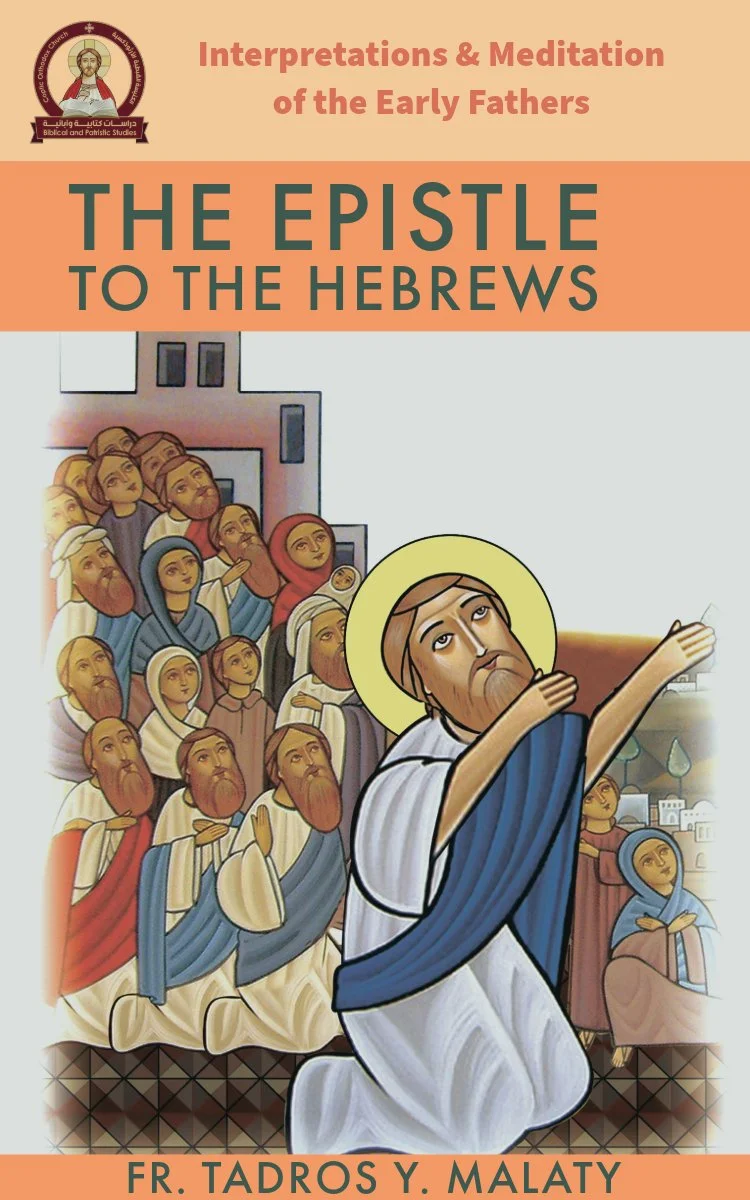
This volume offers a profound patristic commentary on the Epistle to the Hebrews, one of the most spiritually majestic and theologically rich books in the New Testament. Drawing from the Coptic Orthodox tradition and the insights of the early Church Fathers, this commentary unveils Christ as our High Priest, Mediator, and Eternal Sacrifice—the fulfillment of the Law, the Prophets, and the Temple itself.
With clarity and warmth, the commentary walks readers through every chapter of the epistle, highlighting:
Christ’s priesthood “according to the order of Melchizedek”
The superiority of the New Covenant over the Old
The call to spiritual maturity, endurance, and living faith
The connection between liturgy, sacrifice, and heavenly worship
The urgency of rejecting apostasy and clinging to hope
This book speaks not only to theologians and students of Scripture but to every believer seeking meaning, identity, and steadfastness in a world of distraction and trial. The words of Hebrews resonate with timeless relevance: “Today, if you hear His voice, do not harden your hearts.”
Through the voice of the Church Fathers, this commentary invites readers to ascend with Christ beyond the earthly veil, to behold the heavenly sanctuary, and to live as children of the eternal Kingdom.